Year in Review: Leading with Humanity in the Places We Work
In this special year-in-review episode of Headspace for the Workplace, I reflect on a year of advancing workplace mental health and suicide prevention across high-risk industries, global conferences, and organizational systems. The episode blends practical insights for leaders with candid reflections on burnout, leadership pressure, and what it takes to stay human while building cultures of care at work.
What This Episode Covers
This episode explores:
The evolving role of leaders in workplace mental health and suicide prevention
Lessons learned from job sites, safety meetings, and executive conversations
What it takes to move from awareness to action in organizational mental health
Burnout, imposter syndrome, and leadership fatigue
Building systems that support people before, during, and after crisis
Sustaining hope and meaning while working in emotionally demanding roles
Workplace Tools and Approaches Highlighted
Throughout the episode, I share tools and strategies developed or scaled this year to support mentally healthier workplaces, including:
Mental health safety guides integrated into existing safety systems
Peer Ally and Mental Health Literacy training models for high-risk industries
Leadership tools that help managers notice and respond to distress early
Postvention resources that support organizations after a suicide or traumatic loss
The H.O.P.E. Certification, a structured, evidence-informed pathway for building sustainable workplace well-being
Industry Partnerships and Organizational Impact
This year’s work was strengthened by partnerships with organizations committed to embedding mental health into leadership, safety, and operations, including Xcel, TDIndustries, Rosendin, NECA, Gilbane, and Hensel Phelps.
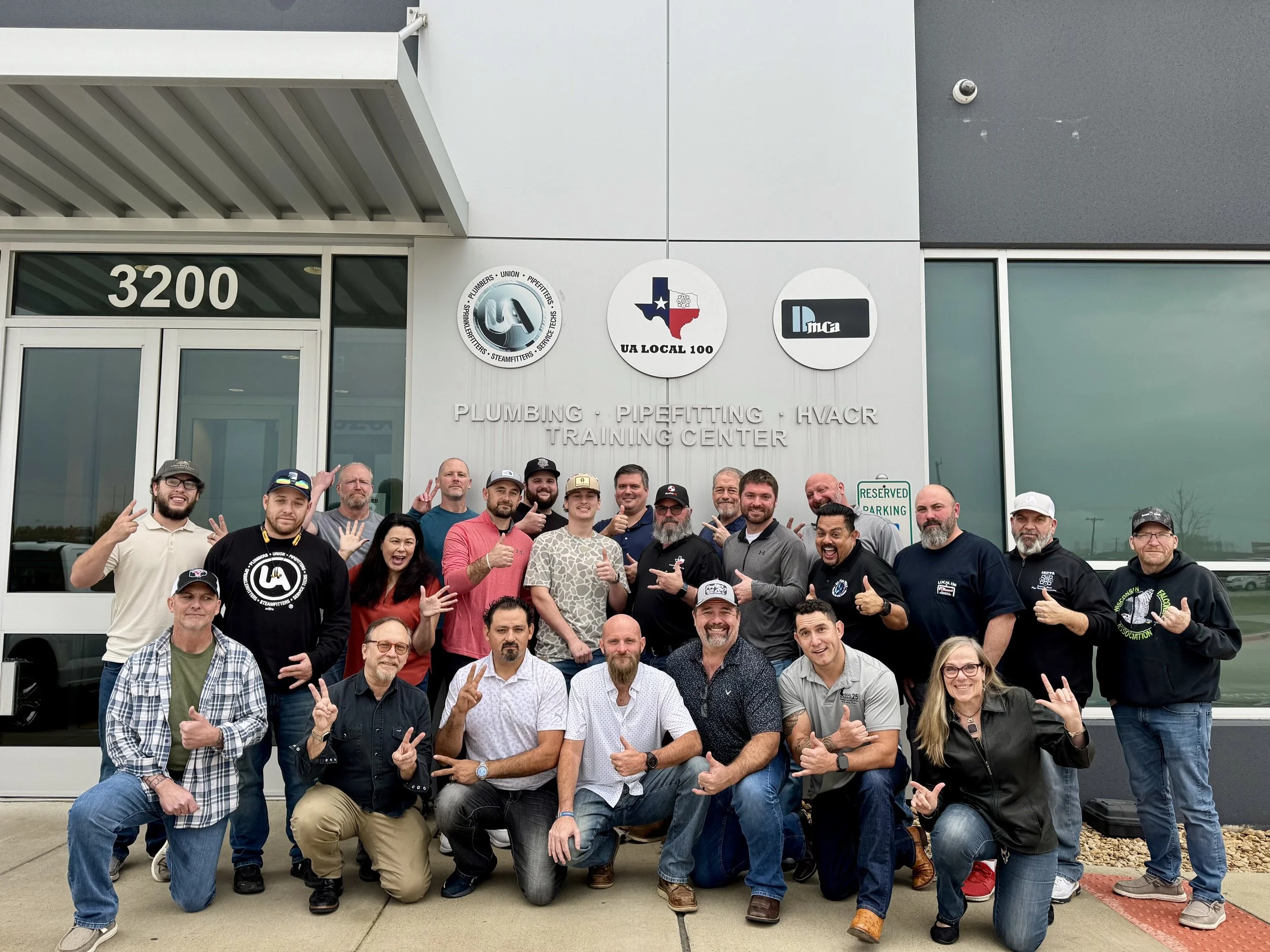
A special focus is given to the leadership of the United Association of Piping Trades, whose large-scale implementation of VitalCog in Construction and in-depth Peer Ally training continues to model what meaningful, worker-centered mental health leadership can look like.
Conferences and Places Where the Work Showed Up
This episode reflects on insights gathered from:
Global conversations at the International Association for Suicide Prevention World Congress
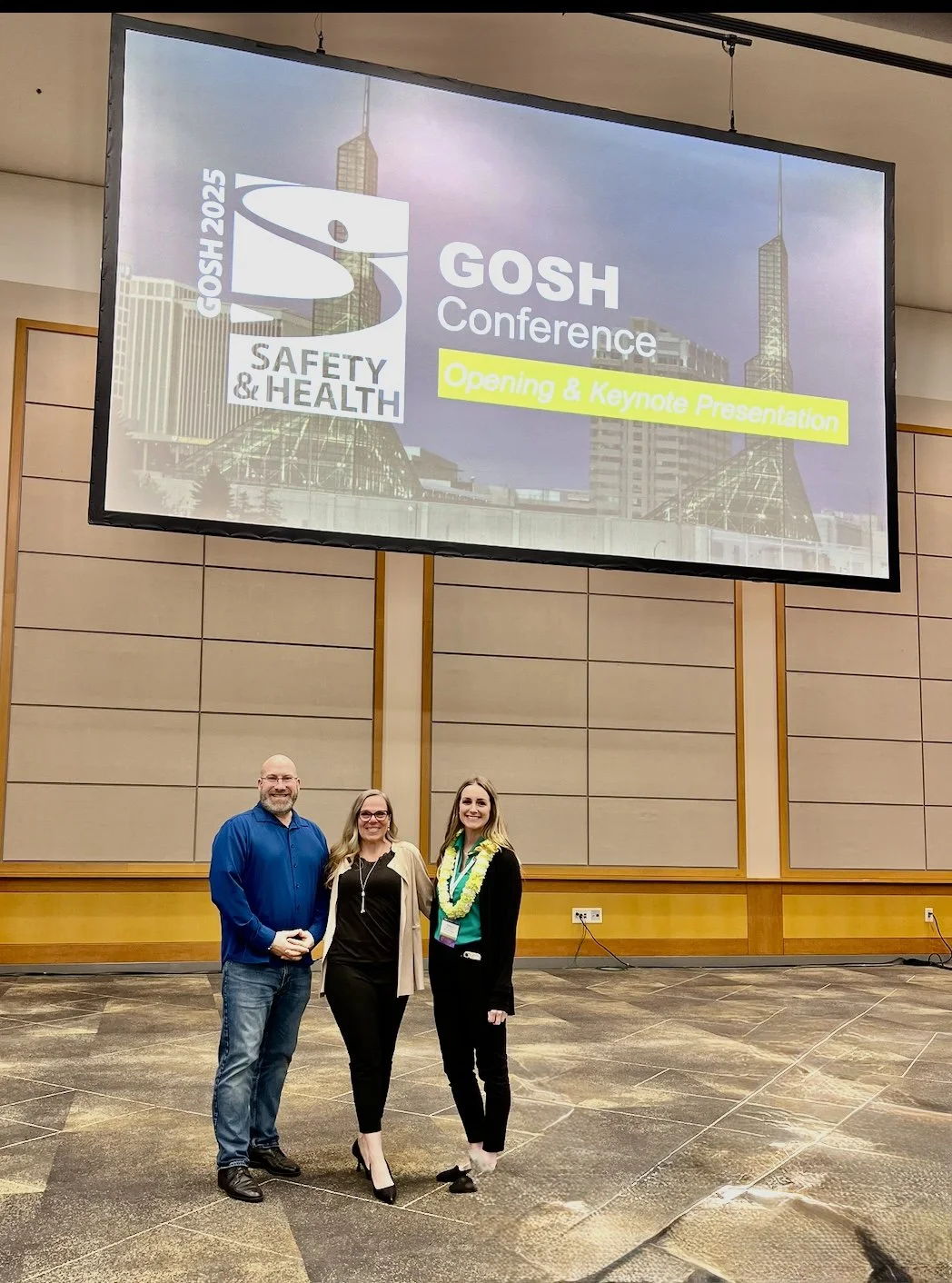
Industry leadership at the Construction Working Minds Summit
Cross-border collaboration at the Canadian Association for Suicide Prevention Annual Conference
Professional “homecomings” with safety, EAP, and suicide prevention peers
Each space reinforced the same truth: how work is designed deeply shapes mental health outcomes.
A Leader’s Personal Reflection
In a candid segment, I share my own leadership struggles — aging, burnout, imposter syndrome, anxiety about letting others down, and the emotional toll of witnessing suffering — offering a rare and grounded perspective on what it takes to prioritize mental health while carrying responsibility for others.
Who This Podcast Is For
This episode is especially relevant for:
Workplace leaders and managers
Safety and HR professionals
Union leaders and supervisors
Mental health champions at work
Anyone navigating burnout while trying to lead well
Key Leadership Takeaways
Workplace mental health requires systems, not slogans
Leaders need skill, support, and permission to be human
Early intervention matters more than crisis response alone
Culture change happens through consistency, not heroics
Hope is built through action, trust, and connection
Common Questions This Episode Answers
Why does workplace mental health matter for leaders?
Because leadership practices, job design, and organizational culture directly influence stress, burnout, and suicide risk.
What can managers realistically do to support mental health?
Learn how to notice early warning signs, respond with confidence, and connect people to credible support.
How can organizations prepare for mental health crises at work?
Through proactive training, clear postvention planning, and leadership accountability.
If you’re leading people in challenging times, this episode offers reflection, practical insight, and reassurance that you’re not alone. Listen, share with your leadership team, and explore tools designed to support mental health where work actually happens.