

What if the warning signs of suicide were present but invisible to everyone around us?
In this powerful and deeply human episode of Hope Illuminated, Dr. Sally Spencer-Thomas sits down with fellow sister-on-a-mission Kim Burditt Bartlett, MSW to explore the groundbreaking findings of the Black Box Project — a first-of-its-kind initiative using donated digital devices to better understand behavioral patterns preceding suicide.
This conversation weaves together lived experience, science, and strategy. Kim brings the voice of a sibling loss survivor, a trauma-informed social worker, and a national leader translating cutting-edge research into actionable suicide prevention.
Drawing from the 2025 Black Box Project White Paper released by Stop Soldier Suicide, this episode explores what phone data revealed that traditional prevention methods often miss and what that means for prevention, intervention, and postvention across veterans, workplaces, and communities.
Why This Episode Matters
Most suicide prevention relies on what we can see or what people tell us.
The Black Box Project reveals a different story.
Across donated devices, researchers found a striking pattern: many people appeared “fine” on the outside, while their private digital behavior told a very different story. Late-night activity, searches for help alongside searches for methods, financial stress signals, and moments of ambivalence emerged weeks — sometimes months — before death.
This episode challenges long-held assumptions and opens the door to earlier, more compassionate, and more precise prevention strategies.
Answering the Questions People Are Asking
This episode explores:
What is the Black Box Project and how does it work?
How can phone data help with suicide prevention?
What digital warning signs appear before suicide?
Why do many people who die by suicide seem “okay” to others?
What is digital phenotyping in suicide prevention?
How far in advance can suicide risk be detected?
What role does late-night phone use play in mental health risk?
How do people oscillate between help-seeking and suicidal thoughts?
What ethical safeguards protect families who donate devices?
How can veterans, workplaces, clinicians, and communities use these insights responsibly?
Key Insights from the Black Box Project
In this conversation, Kim helps translate the white paper’s findings into plain language:
The hidden digital life: Public-facing communication often stayed stable, while private searches, notes, and nighttime activity showed escalating distress.
Late-night activity as an early signal: Overnight phone use increased dramatically, with a critical inflection point roughly 10 weeks before death.
Moments of risk are detectable: Timestamped searches about methods, mental health resources, and crisis support revealed real-time vulnerability.
Ambivalence is common: Many individuals alternated between researching self-harm and seeking help — challenging the myth of a linear path to suicide.
Financial and end-of-life stress: Searches related to insurance, benefits, and estate planning surfaced as part of the risk landscape.
Together, these insights suggest that the suicidal person often leaves clues, just not the ones we’ve been trained to look for.
Ethics, Privacy, and Honoring Families
A central focus of this episode is the care and integrity behind the data.
Kim explains how the Black Box Project:
Partners respectfully with families who choose to donate devices
Uses secure forensic extraction and returns devices afterward
De-identifies and depersonalizes data before analysis
Does not return raw personal content to families
Provides trauma-informed family engagement and support
This is research rooted in dignity, consent, and compassion.
From Data to Action: What Changes Now?
This episode bridges insight to impact:
How digital behavioral patterns could support earlier intervention
What “just-in-time” prevention might look like in the future
The role of consent-based digital monitoring in high-risk populations
Why suicide prevention must extend beyond mental health to include financial and social stability
How lived experience strengthens ethical, effective innovation
A Survivor’s Perspective on Meaning and Hope
At its heart, this is also a story about love, loss, and legacy.
Kim shares what it means to transform the loss of her brother, Jon, into work that may save lives and how survivors can honor their loved ones while tending to their own healing.
This episode offers a quiet but powerful message: even in devastating loss, meaning and contribution are possible and deeply needed.
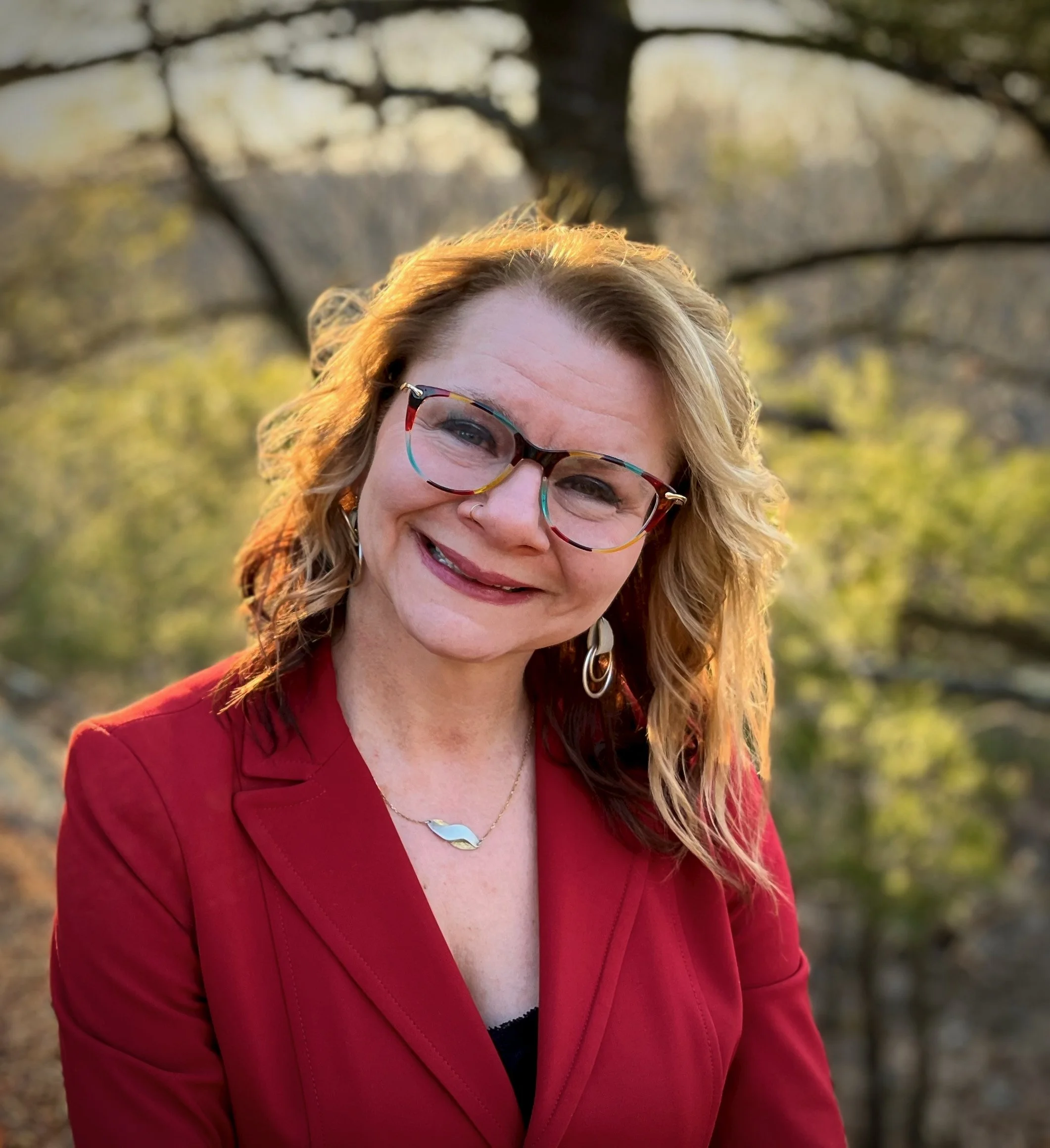
About Kim Burditt Bartlett, MSW
Kim Burditt Bartlett is a nationally respected suicide prevention leader, trauma-informed social worker, and sibling loss survivor.
After losing her younger brother, Jon, to suicide in 2010, Kim dedicated her career to supporting bereaved families and advancing prevention. She has spent more than a decade creating programs, events, and resources for suicide loss survivors.
Kim currently serves as Senior Manager of Family Engagement for the Black Box Project at Stop Soldier Suicide, where she partners with families and researchers to translate digital behavioral data into actionable prevention insights.
A New England native, Kim brings warmth, honesty, humor — and a love of big dogs, tattoos, and skydiving — to all she does.
Resources
T.A.P.S. (Tragedy Assistance Program for Survivors) – National nonprofit providing compassionate care and resources for families grieving a death in the military.
Stop Soldier Suicide – A national organization dedicated to reducing the military suicide rate through data-driven, veteran-centered prevention.
GoRoger.org – A platform honoring life, connection, and help-seeking following suicide loss.
Reference
Stop Soldier Suicide. (2025). How phone data can help with suicide prevention: First findings from the Black Box Project on digital behavioral patterns preceding suicide. https://stopsoldiersuicide.org/blackboxproject