
In this episode of Hope Illuminated, I'm joined by Brandon Wilcox, peer support specialist, community crisis innovator, and suicide attempt survivor, from Rocky Mountain Crisis Partners, a grassroots Colorado organization serving the state for 15 years through a statewide crisis line and innovative community-based support models. Our conversation centers on one of the most evidence-based, underused, and beautifully human tools in suicide prevention: the caring contact.
Brandon opens by sharing his own lived experience with suicidal intensity — a term we unpack together as a more precise and less stigmatizing alternative to "suicidal ideation." His story is told with both vulnerability and strength, modeling exactly the kind of open, imperfect, human connection this episode advocates for. He describes what it felt like to receive messages of support in his darkest moments and how something as small as a text saying "thinking of you today" was not small at all.
We walk through the robust research on caring contacts — decades of studies showing that simple, non-clinical, non-demanding outreach significantly reduces suicide risk among people in crisis and post-crisis. We unpack the do's and don'ts with practical specificity: don't ask voyeuristic questions about the method or the moment, don't load the message with expectations or advice, don't assume silence means the message didn't land. Do be honest about not knowing what to say. Do send sunsets. Do keep showing up.
We also explore mutual aid as an emerging model in crisis response, the importance of soul care and awe as long-term resilience practices, and why the prevention ecosystem benefits most when people with lived experience are centered, not just as recipients of support, but as leaders, innovators, and voices of change. Brandon's work at Rocky Mountain Crisis Partners exemplifies this philosophy in practice.
Why This Episode Matters
Suicide prevention has long been dominated by clinical models - risk assessments, safety plans, hospitalization protocols. These matter. But the research on caring contacts quietly challenges the assumption that professional intervention is the most powerful force in a suicidal person's life. It isn't. The people already in that person's world, such as friends, coworkers, neighbors, family members, have access and relational trust that no clinician can replicate.
This episode gives those people something essential: permission to act imperfectly, and the tools to act well. For our - counselors, HR leaders, workplace safety professionals, and peer supporters - the caring contact framework is immediately deployable. It requires no training, no certification, and no clinical expertise. It requires only the willingness to reach out and the wisdom to do so without expectation.
At the same time, Brandon's story and Rocky Mountain Crisis Partners' model point toward a broader transformation in how communities respond to crisis, one in which lived experience is not a footnote but a foundation, and mutual aid is not a last resort but a first response. This is the future of suicide prevention: relational, community-grounded, and deeply human.
Questions This Episode Answers
What is a caring contact in suicide prevention?
What should you say in a text to someone who is suicidal?
What is mutual aid in mental health crisis response?
How can someone with no clinical training help prevent suicide?
What is soul care and how does it relate to mental health?
Key Themes & Insights
Caring Contacts: Small Acts, Big Impact
Decades of research confirm that simple, non-demanding check-in messages — texts, notes, postcards — significantly reduce suicide risk. The evidence is robust, non-controversial, and remarkably actionable for anyone in someone's life.
The Do's and Don'ts of Reaching Out
Don't ask voyeuristic questions about the attempt. Don't offer unsolicited advice. Don't expect a response. Do be honest. Do send a photo of a sunset. Do say "I don't know what to say, but I care." Imperfect presence beats perfect silence.
Soul Care & Awe as Prevention
Brandon and I discuss the role of soul care — the practices that nourish what the soul craves — and how moments of awe (sunsets, nature, beauty, connection) can serve as both immediate interventions and long-term resilience builders.
Suicidal Intensity vs. Ideation
Brandon introduces "suicidal intensity", a term credited to Eduardo Vega, as a more accurate and less clinical descriptor of what people actually experience. It honors the full spectrum of suicidal experience beyond just passive thoughts.
Seed Planting & the Tipping Point
You may not see the impact of a caring contact immediately. Brandon shares how a message sent on a Tuesday may be the reason someone reaches out on Friday. Connection accumulates, seed by seed, message by message, until something shifts.
about brandon wilcox
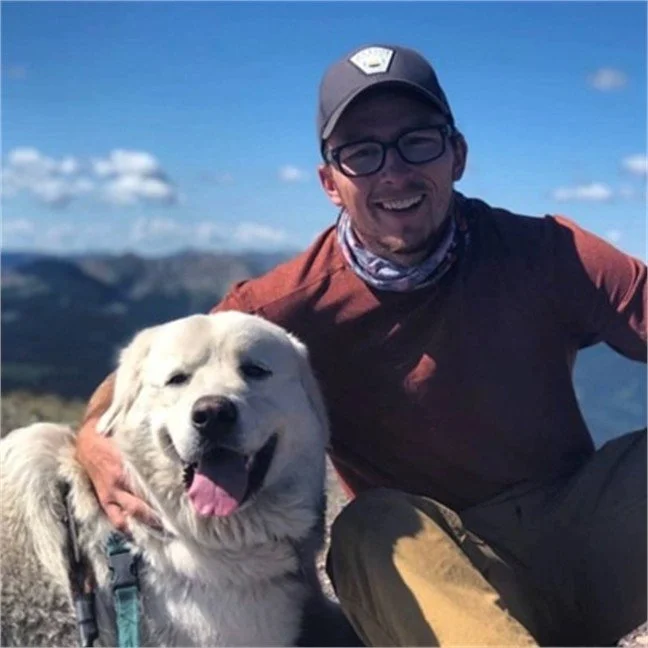
Brandon is a suicide loss survivor, an attempt survivor, and someone who lives with ongoing suicidal intensity. These experiences are not chapters he left behind, but the lens through which he moves through the world. They shape how he listens, how he shows up, and how he works. Throughout his career, Brandon has dedicated himself to weaving lived experience into support services and system improvement, believing that survival carries wisdom worth honoring. He holds a deep conviction that those who have struggled closest to suicide can help build a more compassionate, honest, and life-affirming future for others still finding their way.