

In this episode of Hope Illuminated, I'm joined by Aaron Witt - Founder of Buildwitt, the fastest-growing media and workforce development platform dedicated to the "dirt world" of critical infrastructure, natural resources, and heavy civil construction. Aaron is a rare voice in this space: someone who has worked the job sites himself, who carries genuine reverence for the people who build the world, and who has built a multi-platform company around the conviction that this industry's future depends on its ability to see, value, and develop the human beings doing the work.
Aaron opens with a framing that anchors the entire conversation: the military cannot function without the steel, runways, and infrastructure that construction workers build. First responders cannot reach emergencies without roads. Yet while we celebrate soldiers and firefighters for their sacrifice, the construction worker - equally indispensable, equally exposed to danger, loss, and physical hardship - remains largely invisible in the national conversation about worker well-being. Aaron calls this the invisible sacrifice, and his life's work is making it visible.
We dig into the data: construction consistently ranks among the highest-risk industries for suicide, with rates surpassing military and law enforcement in some analyses. Overdose deaths on and around job sites are rising. And yet the support systems available to workers in the field are largely inaccessible - requiring workers on 12-hour shifts to navigate multiple barriers to reach anyone who might help, only to find that the person on the other end has no understanding of their world. Aaron is direct: many traditional EAP resources are, in his words, "completely worthless" for this population.
The conversation turns to solutions, and Aaron is equally direct about where change has to start: with leaders. Not leaders giving speeches about wellness, but leaders going first - sharing their own struggles, modeling that it is possible to be strong and vulnerable simultaneously, and creating the conditions in which workers feel safe enough to do the same. Aaron connects this to the broader workforce crisis: with 8 million construction workers and a next generation that is not choosing the trades, well-being is not a soft add-on. It is a recruitment and retention strategy. It is, ultimately, a matter of national infrastructure security.
why this episode matters
Construction is simultaneously one of the most essential and most overlooked industries in the American mental health conversation. The military and first responder communities - both vitally important - receive outsized attention relative to the construction workforce, which employs more people, touches more lives through physical proximity, and loses workers to suicide and overdose at rates that should be front-page news. This episode makes the case, clearly and urgently, that the invisibility of construction workers' sacrifice is not just a cultural oversight - it is a policy failure, a healthcare failure, and a workforce crisis.
For my audience - safety directors, HR professionals, workplace mental health advocates, and construction industry leaders - Aaron Witt's framework offers something immediately actionable. The focus on leader modeling, accessible and culturally relevant support, and connecting well-being to workforce sustainability gives organizations a concrete roadmap that does not require clinical infrastructure to begin implementing. You can start on Monday morning.
Aaron's conversation also matters because it explicitly names and challenges the "hopeless" quality of many existing EAP offerings for this population - which is a conversation the field needs to have honestly. Providing mental health resources that workers cannot access, delivered by people who do not understand their world, is not mental health support. It is liability management. This episode points toward something better.
Questions This Episode Answers
Why do construction workers have such high rates of suicide?
Why don't EAP programs work for construction workers?
How can construction leaders support mental health on job sites?
Do I need clinical training to support a colleague who is struggling?
How does construction compare to military and first responders in terms of mental health risk?
Key Themes & Insights
The Invisible Sacrifice
Construction workers build everything society depends on - yet receive none of the cultural recognition given to soldiers or first responders. Aaron argues this invisibility is not just unfair; it is actively harmful to worker identity, pride, and mental health.
The Industry Doesn't Tell Its Own Story
Buildwitt was built around a core conviction: no one is telling the true story of construction - the skill, the purpose, the pride, the sacrifice. Until the industry narrates its own experience, it will continue to be misunderstood by the public and undervalued by the next generation.
Suicide and Overdose: The Real Numbers
Construction consistently ranks among the highest-risk industries for suicide and overdose. The combination of physical injury, pain management, job insecurity, isolation on remote sites, and a culture of toughness creates a perfect storm that existing mental health systems are poorly equipped to address.
Why EAP Resources Fail Construction Workers
A worker on a 12-hour shift in a remote location cannot navigate four hoops to access a resource staffed by someone who has never set foot on a job site. Aaron is blunt: accessibility and cultural relevance are not optional features of mental health support - they are the entire product.
Caring Doesn't Require a Clinical License
You do not have to be a therapist to make a profound difference on a job site. Noticing, listening, following up, and connecting a struggling colleague to real resources - these are skills any leader can develop and deploy without clinical training.
ABOUT AARON WITT
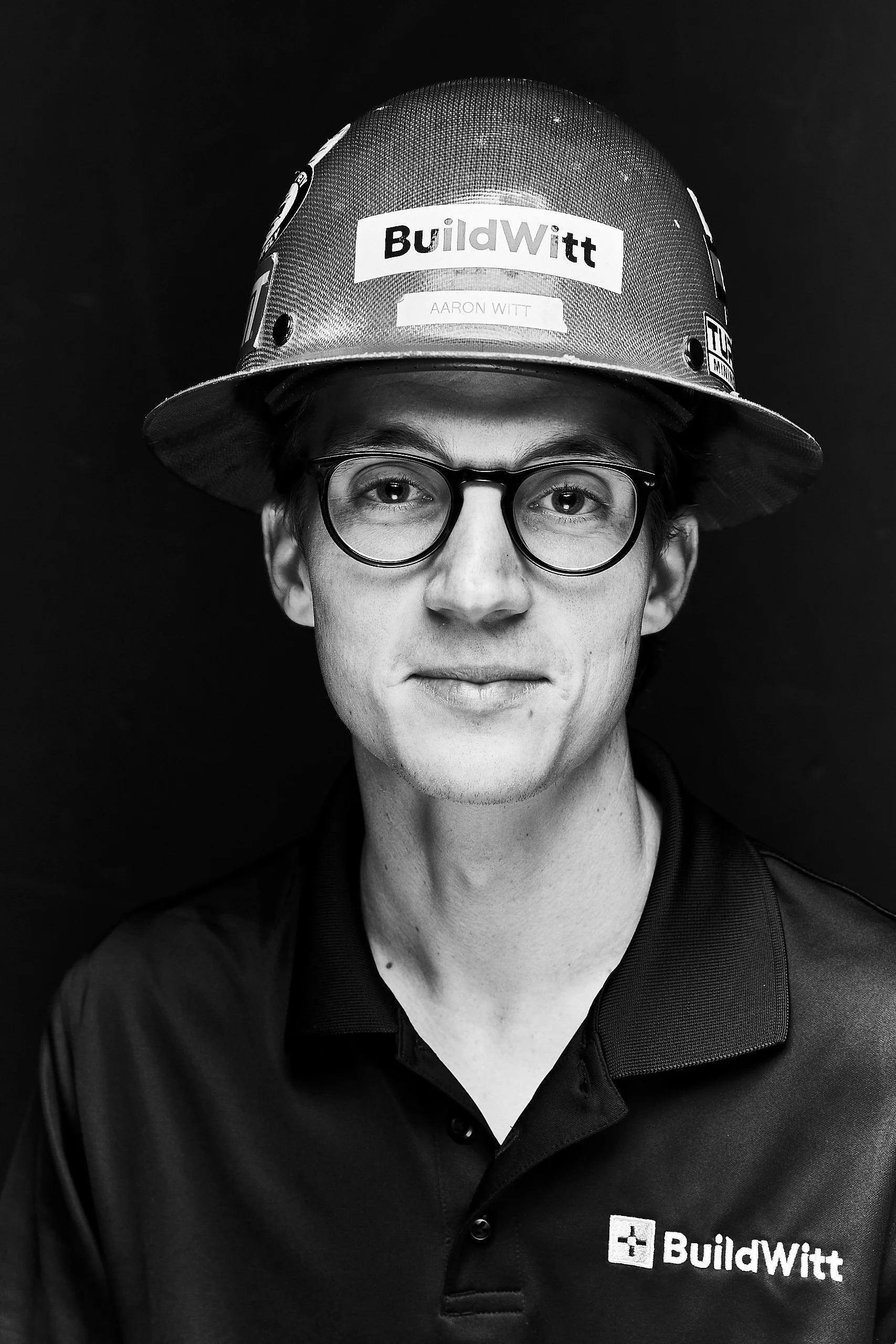
Growing up in Scottsdale, the Dirt World (critical infrastructure and natural resources) was NOT on Aaron Witt’s career radar. That is, until a construction project appeared in his neighborhood. He asked for a job and was off to the races.
After graduating from engineering school, he planned to become a contractor. But everything changed when he began sharing his brief industry experience on social media under the “BuildWitt” name.
Today, BuildWitt is a software company helping hundreds of Dirt World companies grow their workforce daily via nearly 2,000 micro-learning videos. BuildWitt also holds the annual Ariat Dirt World Summit to build the next generation of leadership, with over one thousand industry executives learning from former Navy SEALs, fighter pilots, billionaires, and the best in the Dirt World.
Beyond the business, Aaron has a unique perspective from traveling across America and worldwide to visit top operations and share what it takes to keep the world moving, generating one billion views annually.