

Where does your nervous system exhale?
The psychology of place
Have you ever noticed how different places do different things to you?
Not metaphorically. Not “vibes” in the woo-woo sense. I mean your actual nervous system.
This holiday break gave me a front-row seat to that truth.
First stop: New York City in December.
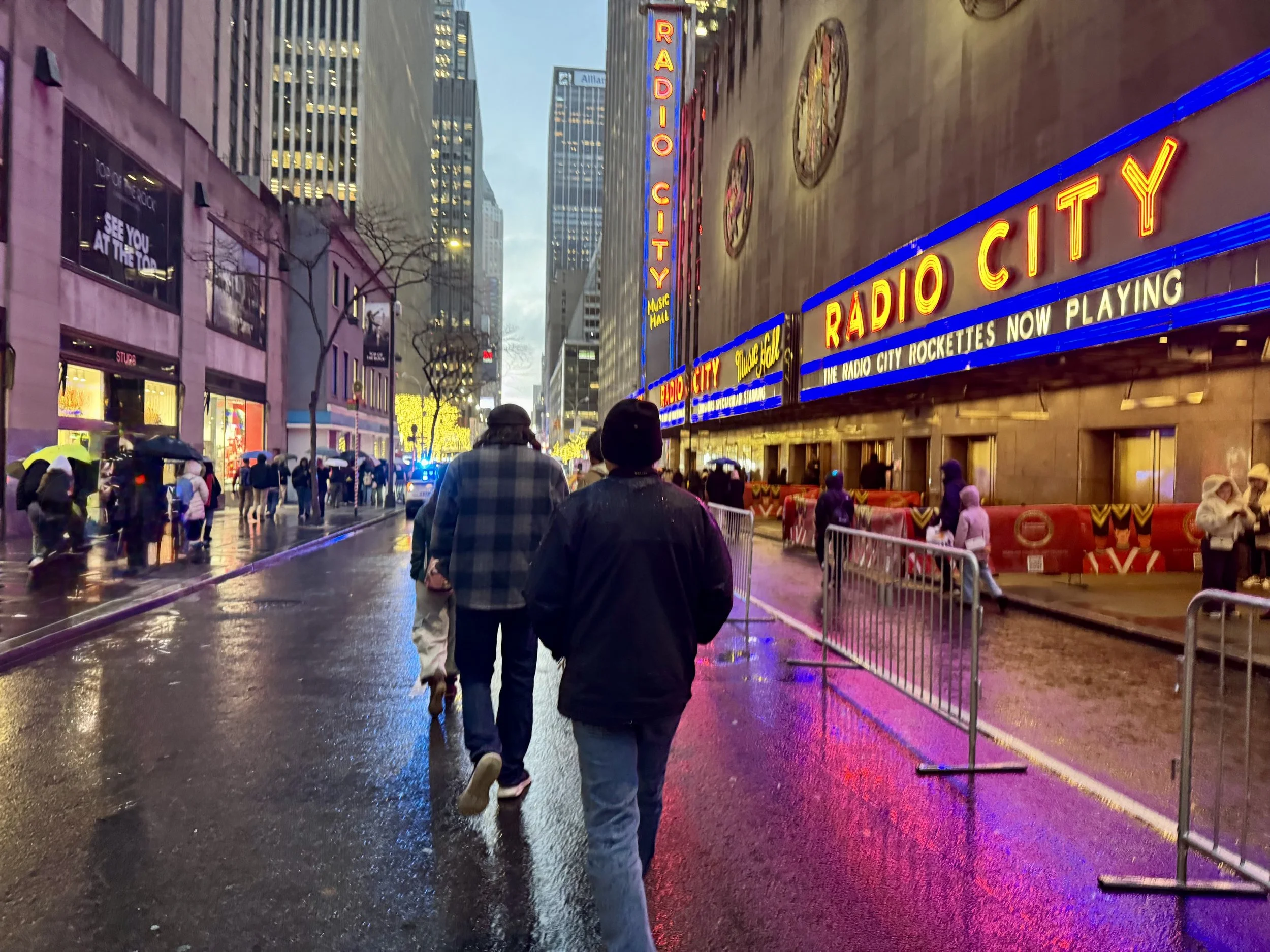
Electric. Buzzing. Lights everywhere. The rhythm of traffic, footsteps, conversation, sirens. Food at all hours. Shows that crack your heart open. Frigid air that keeps you awake and alert. My brain felt switched on -- stimulated, alive, slightly overloaded in the best and worst ways.
Then home.

Quiet. Familiar. Cozy. Walks with the dogs. Long conversations and new hikes with my son Tanner. The comfort of routines that don’t need explaining. My shoulders dropped. My breath slowed. I felt grounded again, like my body remembered something my mind didn’t need to name.
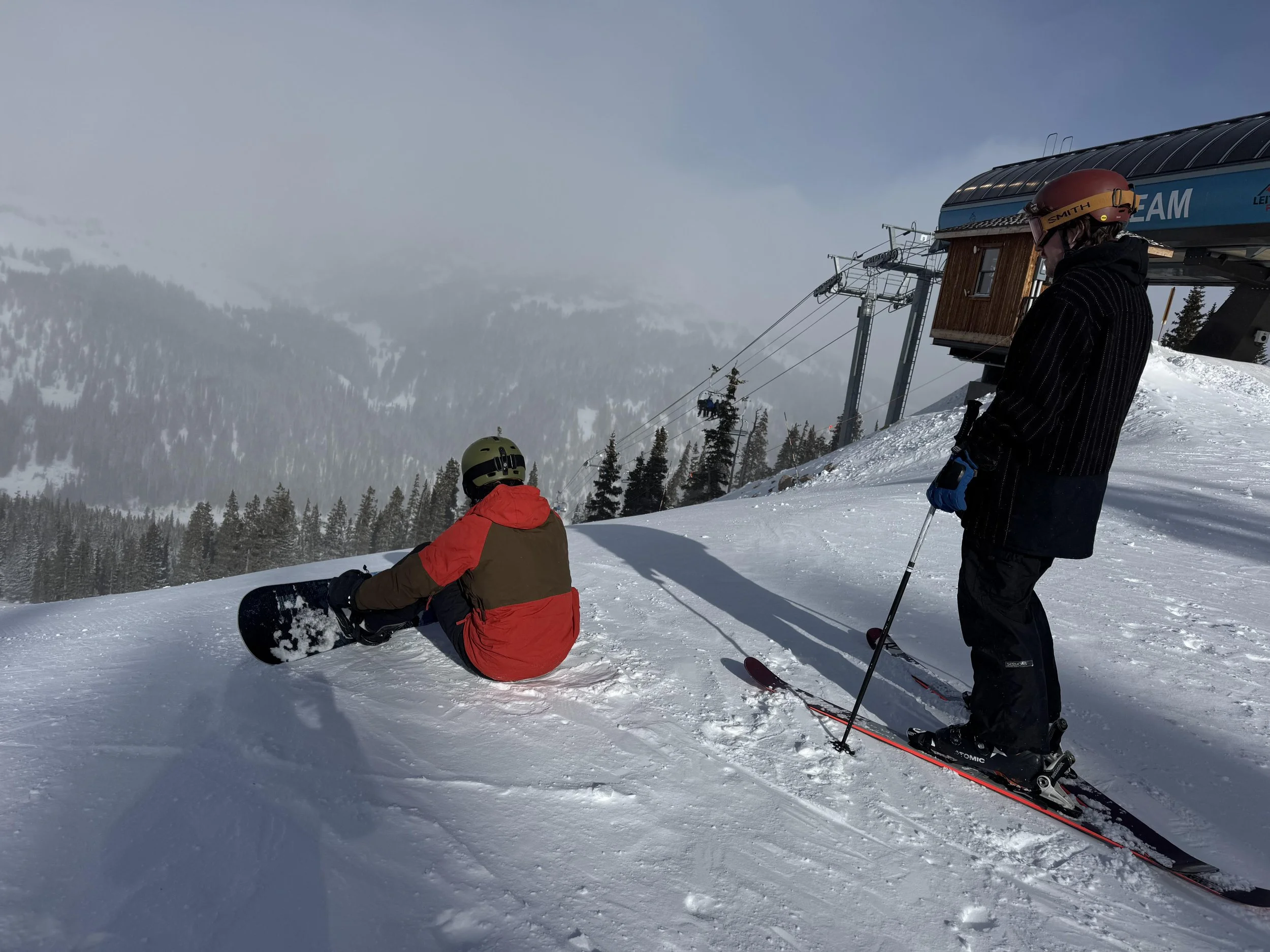
Then up into the Rocky Mountains.
Skiing. Vastness. Crisp air. Big sky. That euphoric, freeing feeling where joy and humility collide. The vistas made my problems feel smaller, my gratitude bigger. (That sense lasted right up until I twisted my knee on an icy slope. Nature’s reminder that awe and humility sometimes arrive together.)
And finally: Hawaii.
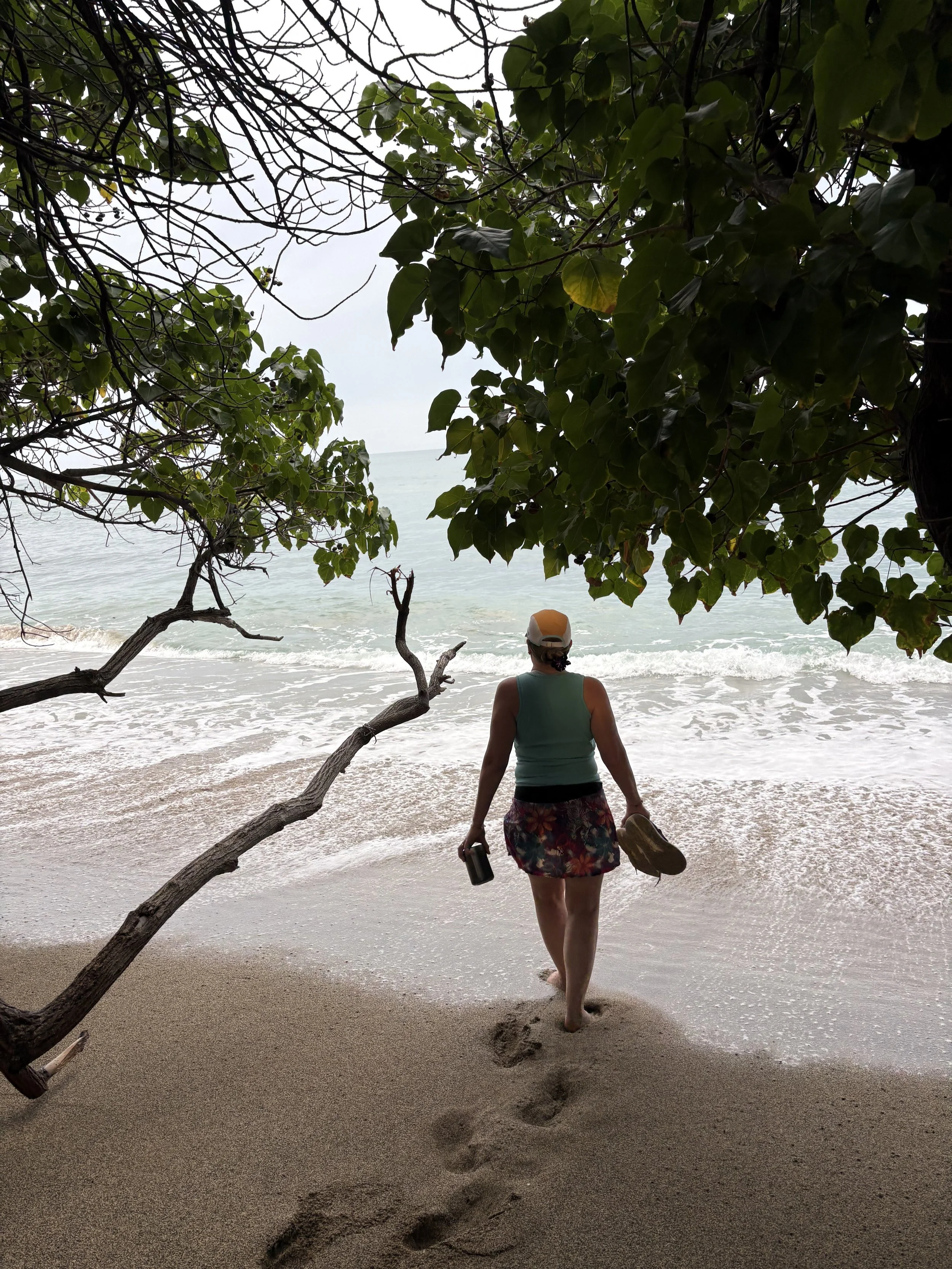
The beach. The steady rhythm of the waves. Salt air. Warmth. Rest. Recuperation. My nervous system finally moved into full “repair mode.” Not pushing. Not striving. Just being carried by a slower, older rhythm.

As a psychologist, I couldn’t help but notice: each place was doing something specific to my body and brain.
And science backs this up in fascinating ways.
Research now shows that healing is both an internal process and a spatial one. Our environments actively regulate stress, mood, immune function, and even inflammation.
Here’s a glimpse of what we’re learning:
Natural patterns calm the brain. Our visual system relaxes when we look at fractal patterns, like tree branches, clouds, coastlines—because they match what our brains evolved to process. This “effortless looking” can reduce stress dramatically and almost instantly.
Water is especially powerful. “Blue spaces” (oceans, lakes, rivers) lower heart rate and blood pressure more effectively than green space alone. Living near water is linked to lower anxiety and depression, especially for people under chronic stress.
Sound and smell matter. Birdsong signals safety at a primal level. Forest air carries compounds that lower cortisol and boost immune function. Healing is multisensory.
Awe heals. That feeling of standing before something vast -- mountains, oceans, star-filled skies -- quietly shrinks the ego, softens rumination, and even reduces inflammatory markers in the body.
Places become emotional anchors. The environments that shaped us early in life often remain our deepest sources of calm. “Home” is more than a memory. It becomes a biological imprint.
All of this points to a simple but powerful idea:
We each have places that help us heal.
Not because they fix everything.
But because they help our nervous system remember how to settle, reset, and restore.
So, here’s my gentle question for you as we head into a big year ahead:

Is it the ocean?
The mountains?
A quiet room with morning light?
A trail you know by heart?
A place of worship, memory, or meaning?
A city that wakes you up or a home that lets you rest?
You don’t need to book a plane ticket. Sometimes it’s about intentionally returning -- physically or mentally -- to the environments that support who you’re becoming.
As I prepare for the year ahead, I’m holding this close:
We don’t just build resilience inside ourselves.
We borrow it from places that know how to hold us.
May you find (or remember) yours.
Warmly,
Sally