

We talk about mental health more than ever.
We encourage people to speak up. We “decrease stigma.” We remind one another that it is okay not to be okay.
And still, many people are struggling to get the support they need.
So here is the question I keep coming back to:
Why do mental health challenges seem to be getting worse when awareness has never been higher?
The answer is not that awareness failed.
Awareness opened the door.
It gave people language for their pain. It made conversations possible. It helped many of us understand that struggling is not a personal weakness or moral failure.
But opening the door is not the same as creating a path through it.
A person may finally feel ready to ask for help -- and still not know where to go.
They may be handed a phone number but have no idea what will happen when they call.
They may have access to an employee assistance program but worry that using it will affect their job.
They may tell a supervisor, coworker, family member, or friend -- and discover that the person cares deeply but has no idea what to do next.
That is where human infrastructure comes in.
What Is Human Infrastructure?
Human infrastructure is the network of people, practices, relationships, and systems that turns concern into meaningful support.
It looks like:
Leaders who understand that mental health is part of how work gets done
Managers who can notice changes, start conversations, and connect people with help
Trusted peer supporters who know how to listen without trying to become therapists
Work environments that reduce unnecessary psychological harm
Resources people can find, understand, trust, and use
Crisis-response and postvention plans that have been practiced before they are desperately needed
Awareness tells people it is okay to struggle.
Infrastructure ensures someone notices, knows what to do, and follows through.
Benefits Are Not the Same as Pathways to Care
Many organizations can point to an impressive list of mental health benefits.
But having resources and having a reliable pathway to those resources are not the same thing.
A pathway answers the questions people are often too overwhelmed, afraid, or exhausted to ask:
Where do I start?
Is this confidential?
What will it cost?
Will this person understand my experience?
What happens if I say I am thinking about suicide?
Who will help me if the first option does not work?
A benefit sits on a website.
A pathway is made visible by a trusted person who says:
“I know where we can begin. Let’s take the next step together.”
That difference matters.
From Wellness Programs to Everyday Systems
For years, many organizations approached mental health as a collection of optional activities: a wellness webinar, a meditation app, an awareness campaign, or a resource fair.
Those efforts can be useful. But they cannot carry the full weight of workforce mental health.
Mental health must also be considered in leadership decisions, job design, communication, safety practices, crisis preparation, and the everyday experience of work.
The question is no longer simply:
“What wellness program do we offer?”
The better question is:
“What happens here when someone begins to struggle?”
Does anyone notice?
Does the person feel safe enough to say something?
Does the first person they tell know how to respond?
Can they reach effective support without navigating a maze?
Does anyone reconnect with them afterward?
This is where hope becomes more than an inspiring idea.
Hope becomes credible when it is built into everyday systems.
Three Questions Worth Asking
Take a moment to consider your own organization, workplace, school, professional community, or faith community.
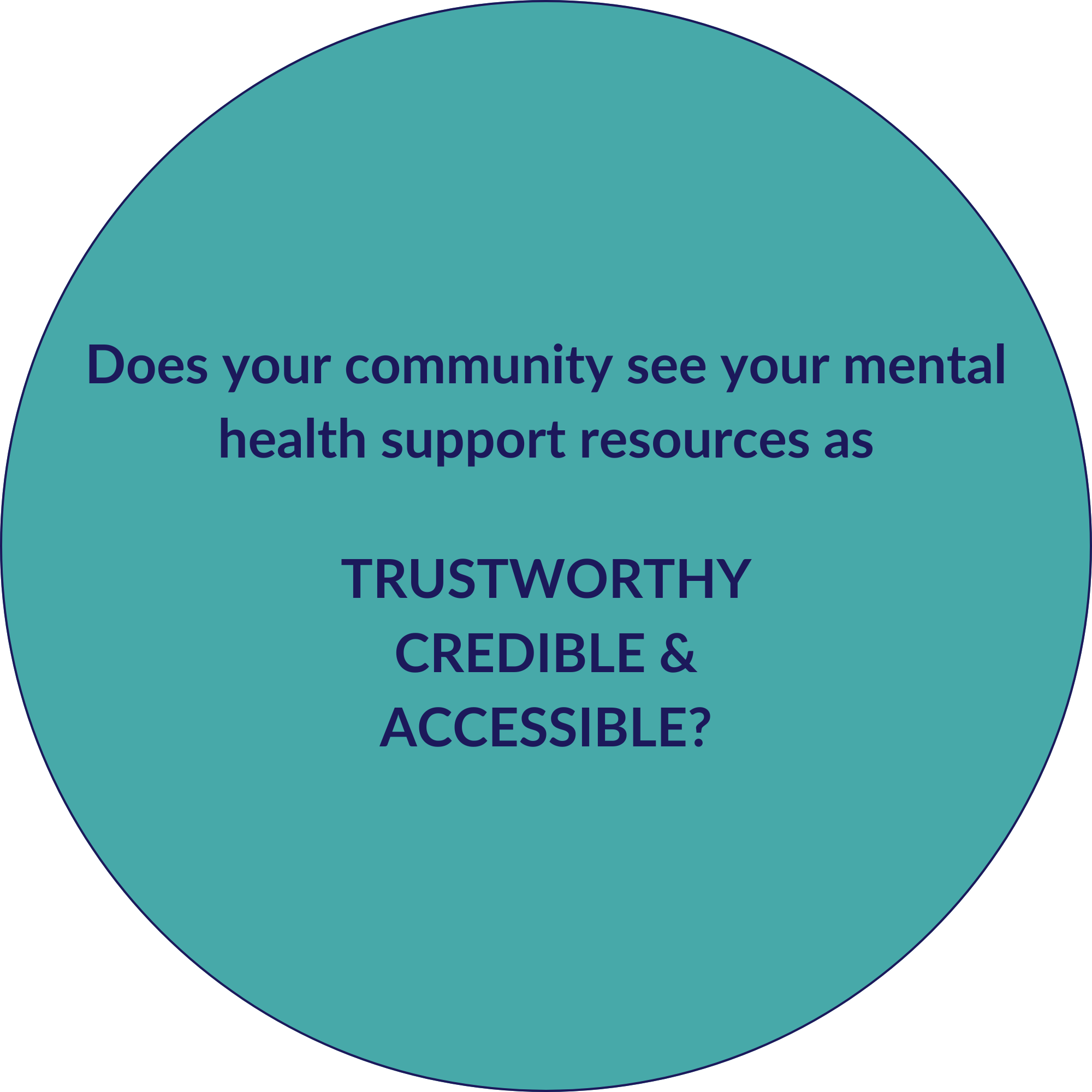
1. Can people find help?
Not only during an awareness campaign, but on an ordinary difficult Tuesday.
2. Do they trust the help?
Do people believe the support will be confidential, culturally responsive, effective, and safe to use?
3. Does someone help them take the next step?
When distress is high, handing someone a list is rarely enough. Who offers the warm handoff, stays connected, and follows through?
These questions reveal the distance between having mental health resources and having a mental health support system.
What Are We Building? How are we “HOPE Engineers”?
Need Help with Your Mental Health Resource Audit?
The mental health movement has done important work helping people name what hurts.
Now we must build what helps.
That means strengthening human connection, preparing people to respond, redesigning harmful conditions, creating trustworthy pathways to care, and making sure no one has to navigate a moment of crisis alone.
This is the next chapter of mental health promotion and suicide prevention.
Not awareness instead of action.
Awareness translated into action.
Because:
Awareness changes minds. Infrastructure changes outcomes.
Start the conversation: Ask your team the three questions above. Pay close attention not only to the official answer -- but to what people say happens.
Warmly,
Sally