

In this solo episode of Headspace for the Workplace, I'm sharing something deeply personal: the story behind my new book, Entrepreneur Aftershock: The Hidden Toll of Building a Business and How to Reclaim Your Life, which I co-wrote with my dear friend and fellow entrepreneur Susan Frew.
The simplest way I can describe entrepreneur aftershock: it is what building a business does to the person building it. We spend enormous energy studying cash flow, market fit, operations and strategy, yet we pay far less attention to the sleepless nights, the anxiety after a financial setback, strained relationships and the slow loss of confidence that can follow founders through both failure and success.
My path to this book began with my brother, Carson, a charismatic and visionary entrepreneur we called "the Pied Piper." Carson lived with bipolar condition and died by suicide on December 7, 2004. My path continued through my own experience leading a mission-driven nonprofit founded in Carson's memory in 2005, where I learned how easy it is to confuse devotion to a mission with an obligation to sacrifice yourself for it. When the organization fractured in 2017, I had to practice everything I had taught about resilience while carrying grief, financial uncertainty and a deep sense of personal failure.
In this episode, I introduce the five aftershocks along the "entrepreneurial flight path," explain how Susan and I wove together stories, science and strategy, honor the founders and advocates (including Brad Feld and Dr. Michael Freeman) who shaped the work, and close with two tactical exercises you can start today.
Why This Matters in the Workplace
Founders set the culture. When the person at the top is running on empty, decision making suffers, relationships fray and the whole team feels the strain. Founder well-being is an organizational issue, not just a personal one.
The people most at risk often look the most successful. My work in workplace suicide prevention grew from realizing that many struggling working-age men appear capable and confident and are not walking into a clinic to ask for help. Workplaces are where we can reach them.
Identity fused with the business is a hidden risk. When a bad quarter starts to feel like proof that you are a bad person, the stakes become dangerous. Healthy organizations help leaders keep their worth separate from their results.
A business should not require the founder to be the entire operating system. Building shared systems and leadership protects both the company and the person who started it.
Everyone around the founder has a role. Teammates, partners, investors, mentors, coaches, VCs and advisors can help create an entrepreneurial culture where asking for help is viewed as wisdom rather than weakness.
No business outcome is worth a human life. In a crisis, the priority is not a brilliant comeback story. It is safety, connection, skilled support and enough time for other possibilities to become visible.
In this episode, we’ll answer:
What is entrepreneur aftershock, and how does building a business affect a founder's mental health?
Why do entrepreneurs and business owners feel lonely even when surrounded by people?
What are the five stages of the entrepreneurial journey in Entrepreneur Aftershock?
How can founders separate their self-worth from the success or failure of their business?
How can investors, mentors and workplaces support entrepreneur mental health and suicide prevention?
Two Tactical Takeaways from This Episode
Tactical Takeaway #1: Build Your Pre-Flight Crew
Your pre-flight crew is a small group of trusted people who can celebrate your ambition and tell you the truth. They are the people who can say "that's a brilliant idea" and also "I'm a little worried about this vision of yours."
WHY IT WORKS
Founders are often surrounded by people yet have no one checking in on them, and isolation compounds distress. Stress and excitement both narrow judgment, so you can miss risks that are obvious to someone standing a step outside your vision. A crew you have already given permission to challenge you makes honest feedback feel like care instead of criticism, and it means support is in place before you need it, not something you have to build in the middle of a crisis.
Tactical Takeaway #2: Ask the Sacrifice Question Before You Are in Crisis
This is the question I wish I had asked myself much earlier in my own entrepreneurial journey:
What am I willing to sacrifice in order to make this business successful? My health? My family? My sense of joy?
WHY IT WORKS
When pressure is high, shame and fear make our thinking dangerously narrow, and it gets much harder to see options or protect what matters. Answering this question while you are calm lets you set boundaries with a clear head, before the business quietly takes your health, relationships or joy one late night at a time. It also keeps your identity from fusing with your company, so a setback in the business does not become a verdict on your worth. As I say in the episode, you can be ambitious and have boundaries.
about DR. sally spencer-thomas
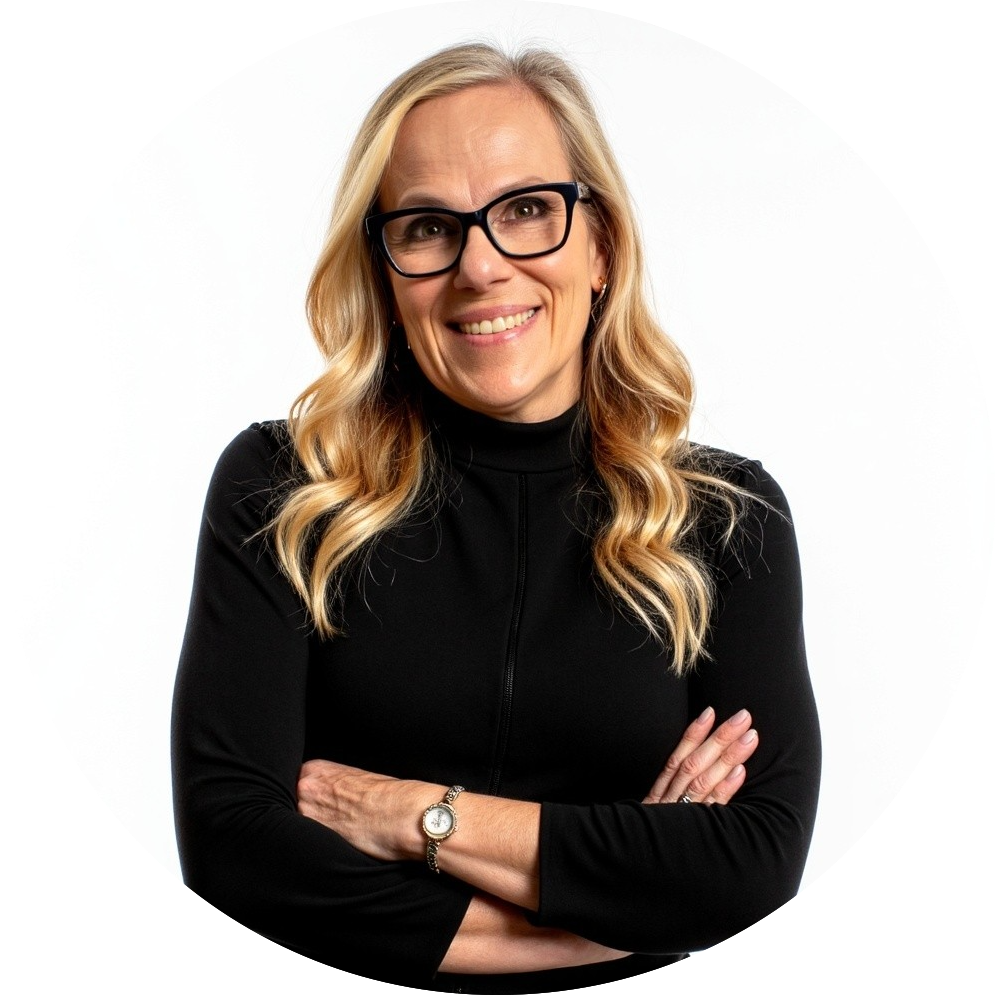
Dr. Sally Spencer-Thomas is a clinical psychologist and internationally recognized leader in suicide prevention. After losing her brother Carson to suicide, she has dedicated her career to advancing lived-experience-informed, systems-level solutions. She has held leadership roles with the American Association of Suicidology, Suicide Prevention Resource Center, National Action Alliance for Suicide Prevention, the International Association for Suicide Prevention, and the 988 Lifeline, and is Co-Founder of United Suicide Survivors International. She is also the lead author of the National Guidelines for Workplace Suicide Prevention and founder of H.O.P.E. Certification. A sought-after keynote speaker, TEDx presenter, and consultant, she has partnered with organizations including Google, Amazon, Southwest Airlines, and the FBI, and was invited to the White House in 2016 to advance workplace suicide prevention, equipping leaders with practical strategies to strengthen psychological safety, reduce risk, and build resilient workforces.