

When a critical incident strikes a workplace — whether a natural disaster, an act of violence, a sudden death, or a large-scale social disruption — leaders are thrust into decisions that carry enormous human and organizational consequences.
In this episode of Headspace for the Workplace, I speak with Jeff Gorter, Vice President of Clinical Crisis Response at R3 Continuum, about what effective crisis response actually looks like on the ground.
Drawing from more than three decades of frontline crisis response, including responses to the September 11 terrorist attacks, Hurricane Katrina, the Las Vegas mass shooting, and other major disasters, Jeff shares practical insights on what helps people stabilize in the immediate aftermath of trauma and what organizations can do to support recovery over time.
The conversation emphasizes two essential truths about crisis response:
Crisis confirms culture.
Presence matters more than perfection.
This episode offers leaders, HR professionals, safety teams, and mental health practitioners a practical framework for responding to workplace crises in ways that protect people, restore stability, and build trust.
Why This Matters for Workplaces
Organizations often spend significant time preparing emergency plans, but many underestimate the human impact of crisis events on employees, teams, and leaders.
Effective crisis response is operational AND cultural.
When leaders respond well to a critical incident, they can:
Reduce long-term psychological harm
Maintain trust and credibility with employees
Stabilize productivity and morale
Support recovery without minimizing grief or trauma
Strengthen organizational culture during adversity
As we discuss, crisis moments reveal the true foundation of an organization.
“When a house goes up in flames, the window dressing is the first thing to go. The foundation lasts.”
Two Tactical Takeaways
1. Crisis Confirms Culture
A crisis reveals culture.
Organizations with strong psychological safety, clear communication, and trust often navigate crises more effectively because employees already know how leaders will respond.
In contrast, workplaces with poor communication or low trust often see those challenges magnified during emergencies.
2. The Power of Presence
One of the most powerful actions leaders can take during a crisis is simply being present.
Presence communicates care, stability, and commitment.
Employees do not expect leaders to have every answer, but they do expect them to show up, listen, and acknowledge the human impact of the situation.
The R3 Continuum Crisis Response Model
Jeff shares how R3 Continuum approaches workplace crisis response using a structured, trauma-informed model.
Rapid Deployment
Crisis counselors are deployed quickly, often within two hours, to stabilize the environment, normalize reactions, and reduce acute distress.
Embedded Workplace Clinicians
Following the initial response, clinicians may remain on site to provide ongoing support and help organizations rebuild trust and stability.
Group Briefings and Individual Support
Employees are offered structured group sessions and confidential one-on-one consultations to process the event and access support at their own pace.
Threat of Violence & Fitness-for-Duty Assessments
Specialized evaluations help organizations identify potential risks and respond proactively.
Facilitated Organizational Conversations
R3 also helps organizations navigate difficult conversations related to workplace tension, political conflict, or social disruption.
Together, these strategies support both human recovery and organizational function.
Using Incident Command for Humanitarian Care
The episode also explores how the Incident Command System (ICS) can be adapted for mental health and organizational recovery.
ICS principles help organizations:
Establish clear leadership roles during crisis
Coordinate security, HR, communications, and mental health teams
Reduce confusion and rumor during high-stress events
Deliver coordinated support across large organizations
When used thoughtfully, ICS becomes not just an operational framework, but a way to deliver organized humanitarian care.
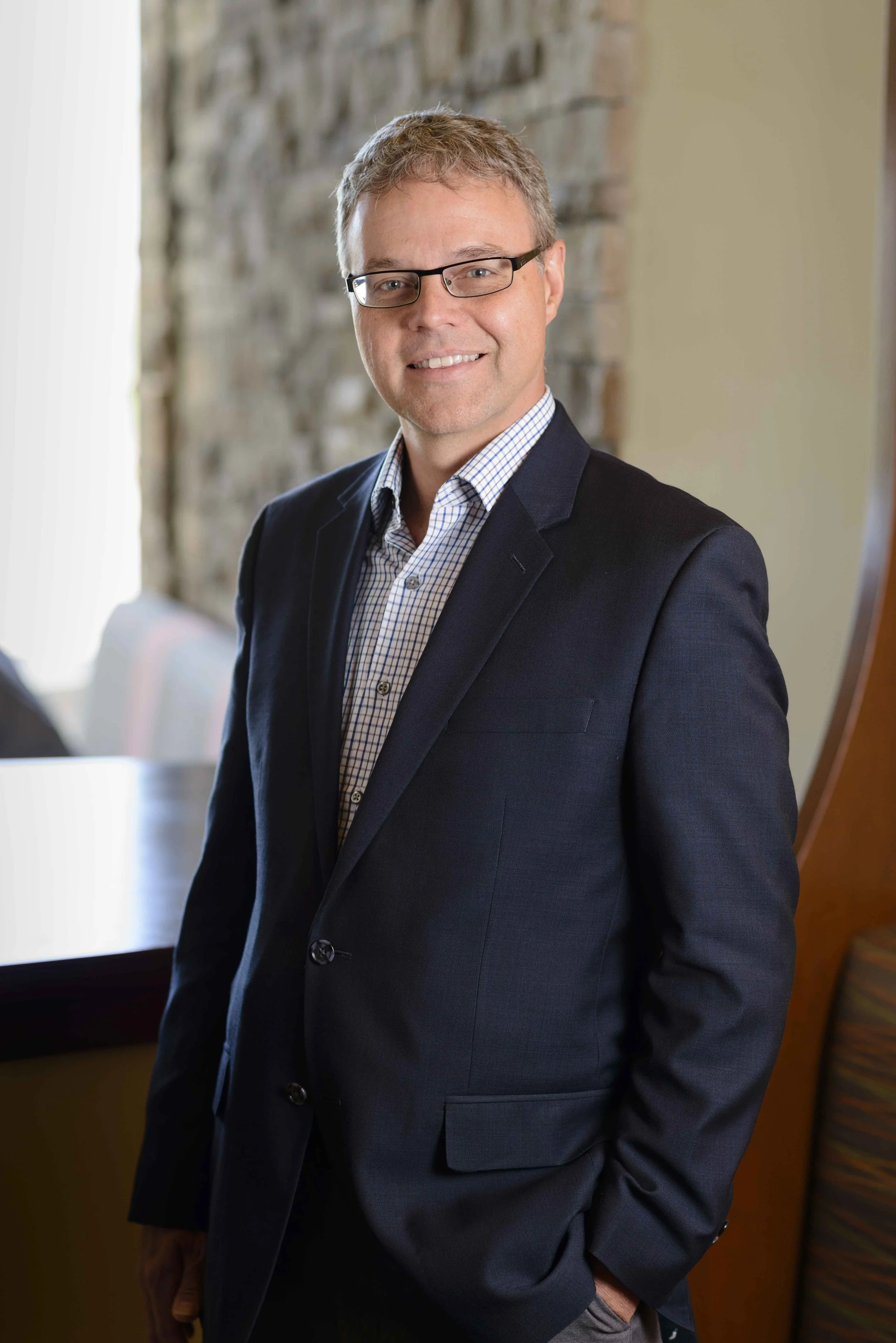
About Jeff Gorter
Jeff Gorter, MSW, LCSW is Vice President of Clinical Crisis Response at R3 Continuum.
He brings more than 30 years of clinical and consulting experience supporting organizations and communities during major crises.
Jeff has provided crisis response during major global and national events including:
September 11 terrorist attacks
Hurricane Katrina
Japan earthquake and tsunami
Las Vegas mass shooting
Breach of the U.S. Capitol
2023 Hawaii wildfires
2024 Asheville floods
2025 Washington, DC aviation disaster
His work focuses on helping organizations restore function, rebuild trust, and care for people in the wake of disruption.
R3 Continuum
https://r3c.com/
Jeff Gorter on LinkedIn
https://www.linkedin.com/in/jeff-gorter-4a219a5/
Listen If You’re Asking:
How do we balance compassion, safety, and operational demands?
What should leaders do immediately after a workplace crisis?
Show up, stabilize communication, acknowledge the event, and provide access to psychological support.
How can organizations support employees after traumatic workplace events?
Through rapid crisis counseling, structured group briefings, ongoing mental health support, and transparent leadership communication. Visible leadership presence reduces uncertainty and signals care, stability, and accountability.
What is the role of culture during crisis response?
Culture determines how people respond under stress — organizations with strong trust and communication recover more effectively.
References
Billings, J., Zhan Yuen Wong, N., Nicholls, H., Burton, P., Zosmer, M., Albert, I., ... & Greene, T. (2023). Post-incident psychosocial interventions after a traumatic incident in the workplace: a systematic review of current research evidence and clinical guidance. European journal of psychotraumatology, 14(2), 2281751.
Petitta, L., & Martínez-Córcoles, M. (2023). A conceptual model of mindful organizing for effective safety and crisis management. The role of organizational culture. Current Psychology, 42(29), 25773-25792.
Sutton, A., & Polaschek, D. L. (2022). Evaluating return-to-work programmes after critical incidents: A review of the evidence. Journal of Police and Criminal Psychology, 37(3), 726-735.
Resources
Moving Forward After Natural Disasters https://r3c.com/publications/r3s-jeff-gorter-on-moving-forward-after-natural-disasters/
Crisis Response Essentials, with Jeff Gorter https://podcasts.apple.com/us/podcast/134-crisis-response-essentials-with-jeff-gorter/id1662964244?i=1000718562069
Critical Incident Response: Updated Literature Review https://archive.hshsl.umaryland.edu/server/api/core/bitstreams/40eef38c-b56e-4f1a-b840-cc7ac35c00d1/content