

AWE
Hi everyone,
There’s a difference between knowing coping strategies…
and actually feeling one work in your body.
I got a reminder of that this week.
I just got back from a week at the Psychotherapy Networker in Washington, DC, and for the first time in a long time, I wasn’t just there as a speaker or co-chair.
I was there as a participant.
And honestly? It was refreshing in a way I didn’t know I needed.
There’s something powerful about sitting in a room full of counselors who are deeply committed to helping others, and who are also still learning, still practicing, still figuring things out. The energy was curious, open, and centered in a shared purpose: getting better at helping people through hard things.
What surprised me most is this: I found myself being helped, too.
One moment that really stayed with me came from a teaching by Katie Gustafson on “centering in on an awestruck moment.”
So, I tried it.
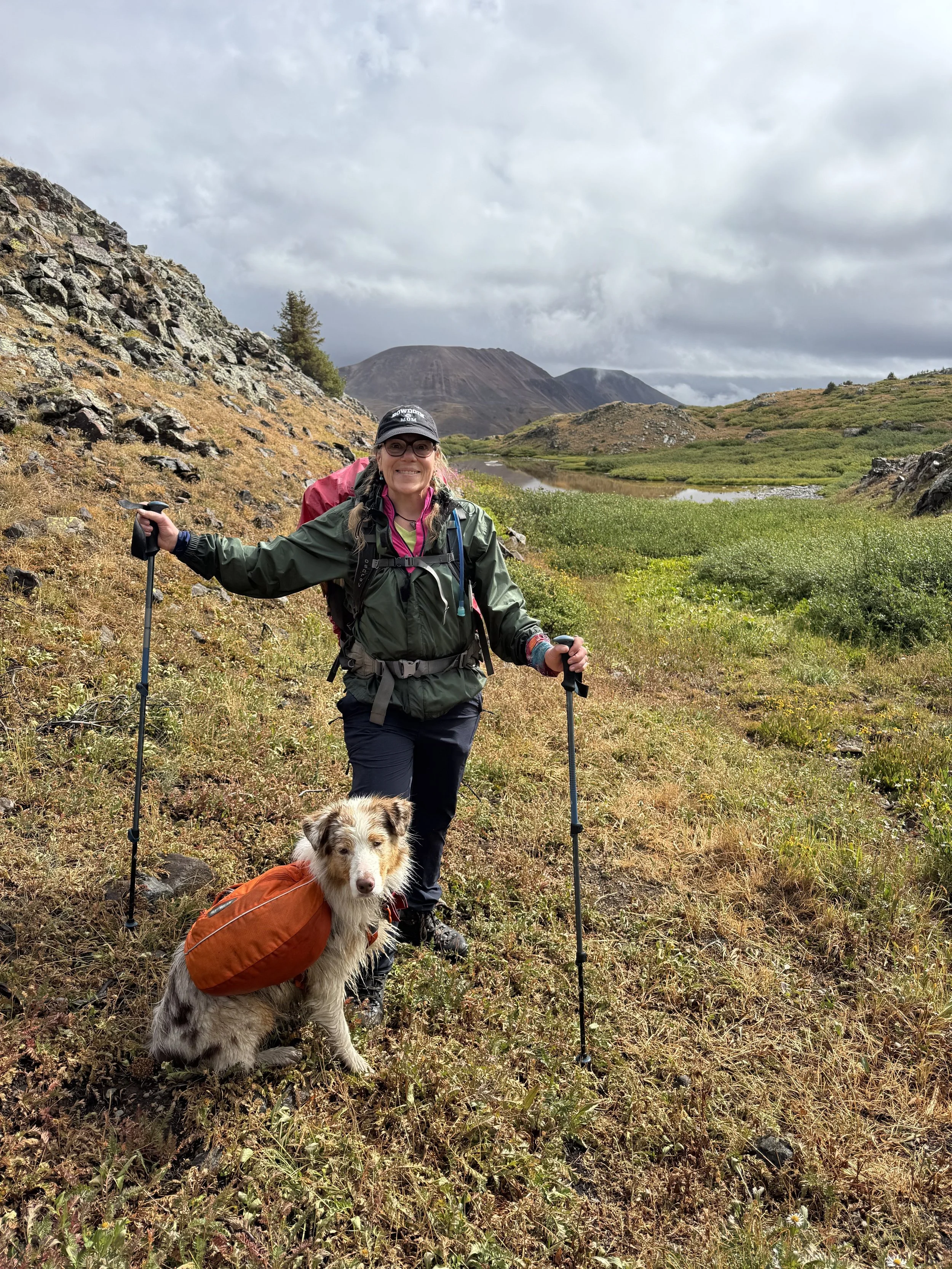
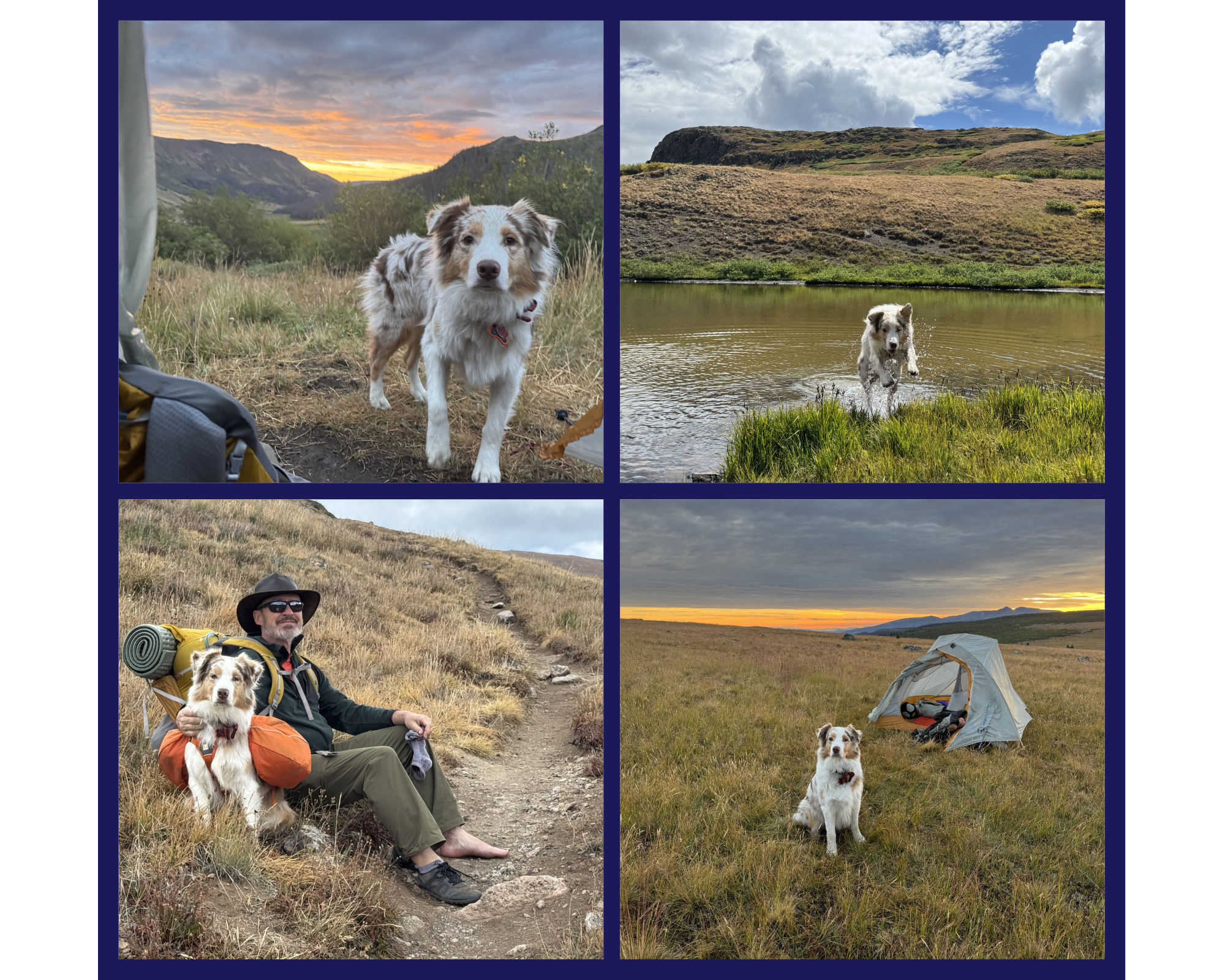
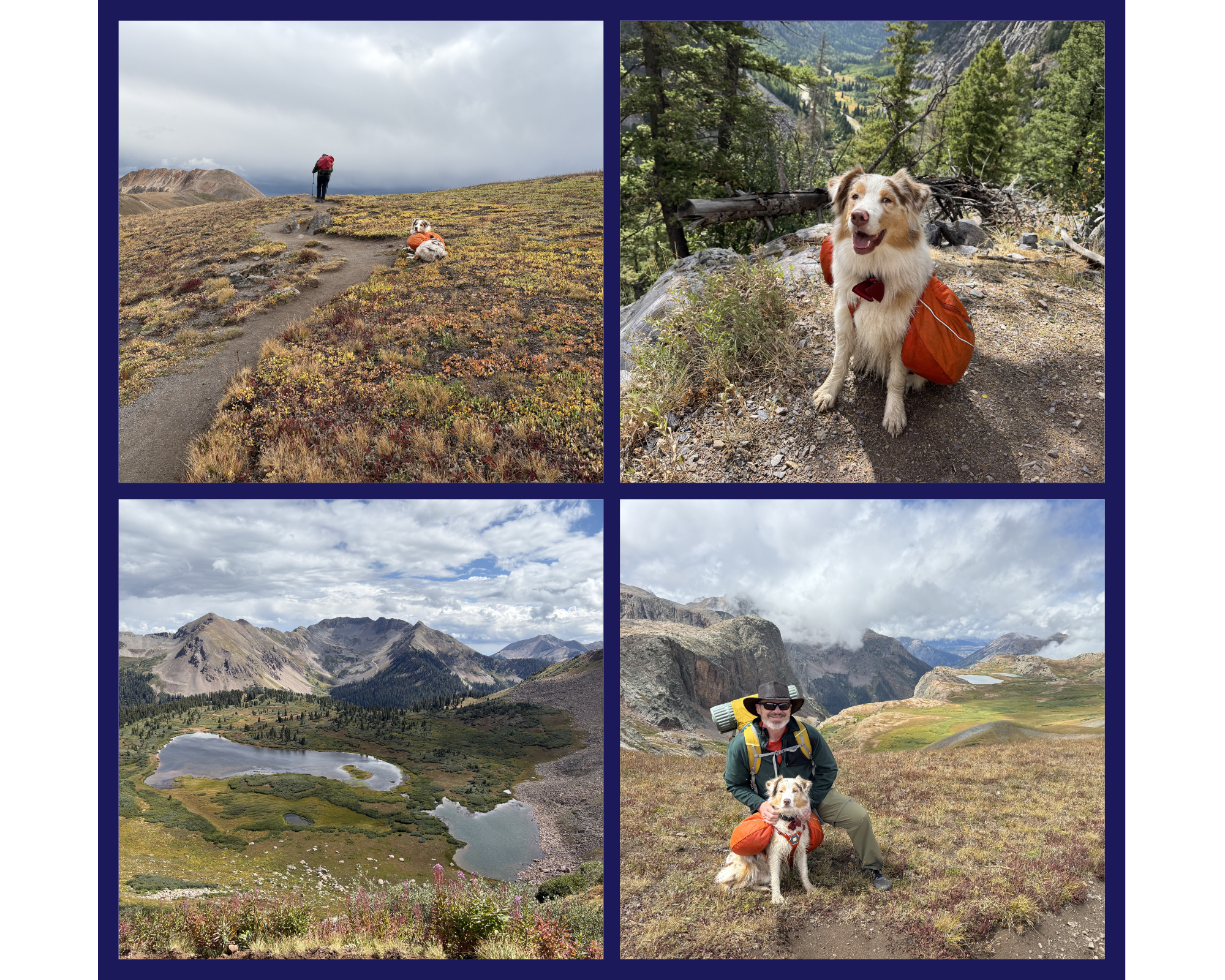
I brought myself back to a memory hiking the Colorado Trail with my husband Randy and our dog Monty last September. We had just come through a brutal stretch above treeline -- freezing rain blowing sideways for miles. I was tired, cold, and my mind was full of complaints.
And then…
We turned onto this steep “S” curve descent, and the sun broke through.
Suddenly, 360-degree views of the Rocky Mountains, wildflowers everywhere, light hitting everything just right.
When I sit with that moment now, here’s what I notice:
• I feel small…in the best possible way
• Deeply connected to something bigger than myself
• Grateful, alive, awake
• Tapped into love, wonder, even something sacred
That’s awe.
And it turns out that Awe is both poetic and practical.
From a science perspective, centering on an awestruck moment works as a powerful, almost automatic coping strategy. It shifts us out of stress-heavy, self-focused thinking and into the present moment. It can increase vagal tone and help calm the nervous system -- and reduce symptoms of anxiety and depression (Stellar et al., 2015; Thompson, 2025).
In other words, awe helps us regulate -- fast.
What I love about this approach is that it doesn’t require a lot of training. It’s accessible. It’s human. It’s already part of our lives.
Here are a few ways you might try benefiting from “Awe Narratives” this week:
• Take an “awe walk” -- notice something beautiful, unfamiliar, or intricate
• Look up -- clouds, trees, the night sky
• Let a powerful piece of music move you -- really listen, uninterrupted
• Pause with something meaningful -- a memory, a photo, a moment of connection
Awe can turn into a deliberate resilience practice.
Research on “awe narratives” suggests that when we revisit and put an awe-filled moment into words, we actually deepen its impact (Thompson, 2022). It’s simple:
Recall a moment of awe.
Slow it down.
Notice what you felt and what shifted.
Then, if you can, share it.
Because the real benefit comes from re-experiencing it, making meaning from it, and letting it ripple outward. You don’t even have to be in the moment for it to work.
Recalling it, writing about it, or even hearing someone else’s story can create the same shift.
You might be surprised how quickly your nervous system -- and your perspective -- responds.
If you’re feeling stuck, overwhelmed, or just running on fumes, this is one small, powerful place to begin.
And if you’re supporting others? It’s a tool worth sharing.
If you’re interested, we’ve been teaching these kinds of practical, science-informed strategies in our “Getting Unstuck from Depression and Anxiety” workshops, available virtually or in person. Sometimes the right tool at the right moment can make all the difference.
Thanks for being part of this community. People who care deeply and keep showing up, even when it’s hard.
Warmly,
Sally
References
Chirico, A., & Yaden, D. B. (2018). Awe: A self-transcendent and sometimes transformative emotion. Cognition and Emotion, 32(6), 1–11.
Stellar, J. E., John-Henderson, N., Anderson, C. L., Gordon, A. M., McNeil, G. D., & Keltner, D. (2015). Positive affect and markers of inflammation: Discrete positive emotions predict lower levels of inflammatory cytokines. Emotion, 15(2), 129–133.
Thompson, J. (2022). Awe narratives: A mindfulness practice to enhance resilience and wellbeing. Frontiers in Psychology, 13, 840944. https://doi.org/10.3389/fpsyg.2022.840944
Tix, A. (2021, April 28). Awe as a resource for coping with stress: Institutions can systematically support individuals through difficult times. Psychology Today. https://www.psychologytoday.com/us/blog/the-pursuit-peace/202104/awe-resource-coping-stress