

In this episode of Headspace for the Workplace, I sit down with Dr. Virna Little, co-founder and CEO of Zero Overdose, a national initiative bringing overdose safety planning into workplaces, healthcare systems, schools, and communities. Dr. Little and I share a long history through the Zero Suicide Initiative, which aspires to eliminate suicide deaths in healthcare systems. This episode brings that same upstream, systems-level thinking to one of the most urgent and underaddressed safety crises in high-risk industries: overdose.
The statistics I share in the opening of this episode stopped my construction clients in their tracks, and they stop me every time: for every 1,000 people who die on a construction job site from physical injuries, approximately 5,000 to 6,000 are dying by suicide, and over 11,000 are dying from overdose. Overdose deaths are outpacing suicide deaths in the construction industry, and yet most workplace safety cultures still treat overdose as a reactive crisis, equipping job sites with Narcan but doing little to prevent the event that requires it.
Dr. Little's work with Zero Overdose begins where Narcan ends. Working in rural community health centers, she saw firsthand how workplace injuries, particularly in construction, fishing, and law enforcement, created pathways into opioid dependence that were never adequately planned for at the point of injury. The episode delivers two concrete, immediately actionable takeaways: an overdose safety planning framework that can be integrated into any existing workplace safety culture, and a clear articulation of what leadership must do to make that planning real rather than aspirational.
Why This Matters in the Workplace
The Numbers Are Harder Than Most People Know
• For every 1,000 construction workers who die from physical job site injuries, over 11,000 die from overdose
• Overdose deaths are outpacing suicide deaths in construction -- and suicide deaths are already a daunting number
• Overdose is not random. It is often predictable, situational, and preventable -- making it a workplace safety issue, not just a personal health issue
• Workers in high-physical-demand industries are disproportionately exposed to opioid prescriptions through workplace injury pathways, often without adequate pain management support or follow-through
• A change in insurance coverage, a loss of prescription access, or a gap in care can rapidly accelerate someone from managed pain to acute overdose risk -- and the workplace may be the only system in a position to catch that transition early
By the Grace of God: Overdose Risk Is Universal
One of the most important reframes in this episode is the universal risk argument. Most people carry a stereotype of who gets addicted to opioids, and most people do not see themselves in that stereotype. I share directly from my own experience: I have been sent home from a C-section and dental surgery with large prescriptions for Vicodin and Percocet. Had I taken the entire prescription, I would have had measurable levels of addiction. The same is true of any worker who has had a sports injury, a back surgery, or a hand injury on the job. This is not a fringe population. It is most working adults, one injury away from an exposure they did not plan for.
Narcan Is Not a Prevention Strategy
Most construction job sites that have engaged with overdose risk have done so by placing Narcan in porta-potties and medic kits. Narcan is critical and has saved an enormous number of lives. But using Narcan means an overdose has already occurred. The goal of Zero Overdose is to prevent the event itself, and that requires safety planning at the front end: before the injury, at the point of injury, and at every worker touchpoint where the risk of opioid exposure exists. Treating overdose prevention as upstream safety planning -- the same way safety professionals treat fall risk or electrical hazard -- is the framework shift this episode is designed to create.
In this episode, we’ll answer:
How do overdose deaths compare to suicide deaths in the construction industry?
What is an overdose safety plan and how does it work in the workplace?
Why are construction workers at high risk for opioid overdose?
Is Narcan enough to prevent overdose deaths in the workplace?
What is Zero Overdose and how can workplaces access their resources?
Two Tactical Takeaways from This Episode
Tactical Takeaway #1: You Cannot Have a True Culture of Safety Without Overdose Safety Planning
Dr. Little's first takeaway reframes overdose prevention as a core safety culture requirement, not an optional add-on. Just as no safety professional would consider their job site plan complete without fall protection protocols or electrical safety procedures, no safety culture is complete without an overdose safety plan. The goal is to reach people before the overdose event occurs, not to manage the aftermath of one.
The practical application: overdose safety planning begins before a worker is ever injured. It means having conversations proactively, helping workers think through their preferences for pain management, informing them of what to expect if they receive an opioid prescription, and equipping them with a safety plan they can activate at the moment of injury, when they are least cognitively positioned to make those decisions. Dr. Little describes this clearly: when an injury happens, people are not in the best place to ask questions or make decisions. The plan has to already exist.
WHY IT WORKS
The power of the safety planning model is that it mirrors the risk reduction frameworks safety professionals already use and trust. A Job Hazard Analysis identifies the risk, assesses the severity, and documents the control measures. An overdose safety plan does exactly the same thing for opioid exposure risk. When I work with construction clients, I use this framing deliberately: this is your job hazard analysis for overdose risk. Bake it into the same systems you are already using, and you are not adding something new. You are completing something incomplete.
Tactical Takeaway #2: Zero Overdose Requires Leadership Support for Safety Planning
Dr. Little's second takeaway defines the specific, concrete actions that make leadership support real rather than rhetorical. It is not enough for leadership to endorse the idea of overdose prevention. The operational commitments that distinguish genuine leadership support from performative endorsement are specific and implementable immediately.
Dr. Little outlines leadership's role clearly: ensuring overdose safety plans are available as part of new employee onboarding; distributing them when a workplace injury is reported; making them accessible to family members and friends of workers; hosting them on websites and through EAP programs; and verifying that healthcare providers and insurance partners are actively distributing safety plans. For contractors, this means requiring it of subcontractors and building it into overall project safety planning for every build.
WHY IT WORKS
Leadership sets the permission structure for every safety norm in an organization. When overdose safety planning has explicit leadership support, it becomes part of the standard safety culture rather than a stigmatized side conversation. Dr. Little's framework also has a practical accountability structure: if you are contracting with a healthcare provider or insurance company that is not distributing overdose safety plans, that is an actionable gap. Leadership can close it. The Zero Overdose website at zerooverdose.org provides templates, training, and direct support for organizations at every stage of implementation.
ABOUT DR. VIRNA LITTLE
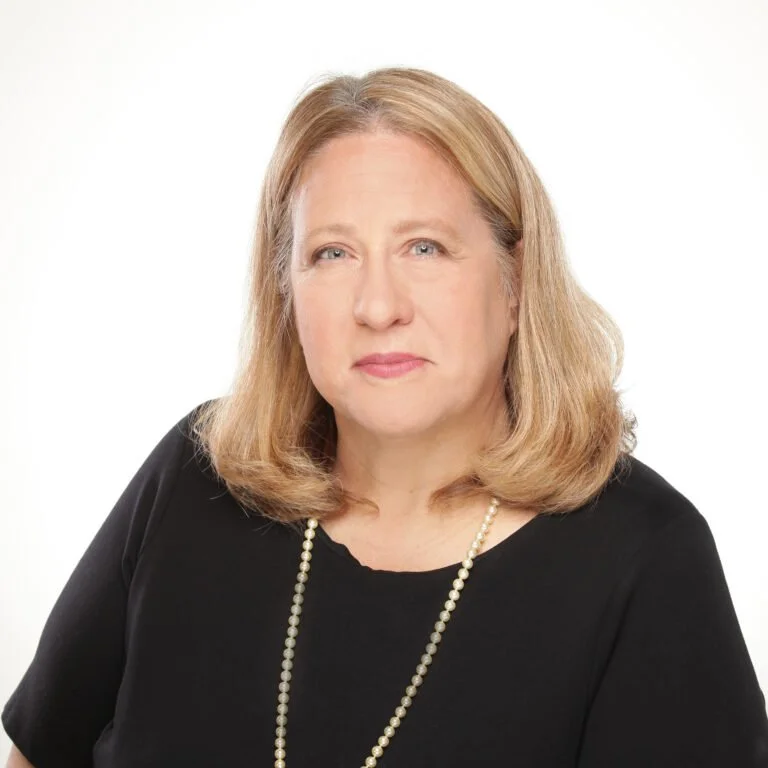
Dr. Virna Little is a distinguished leader in behavioral health integration. She is the co-founder of Concert Health, a behavioral health medical group providing Collaborative Care to organizations across 21 states. Dr. Little is also the Co-Founder and CEO of Zero Overdose, a national nonprofit focused on overdose safety planning to reduce unintentional overdose events and deaths. She has served as a member of the national Zero Suicide faculty and as a consultant who has fostered the development of integrated delivery systems nationally in all 50 states and internationally. Dr. Little holds a Doctoral degree in Psychology and a Master's in Social Work. A nationally and internationally recognized speaker, she has presented on suicide prevention strategies at the White House and has received numerous awards for her work integrating primary care and behavioral health. She serves on multiple boards.