

When I think about the parallels between suicide prevention and overdose prevention, nobody articulates them better than my guest in this episode. I first met Dr. Virna Little at the IASP Asia Pacific conference in Tokyo -- we were both there as Zero Suicide faculty -- and her work immediately struck me as something every mental health and substance use professional needs to hear about.
Virna is the co-founder and CEO of Zero Overdose, a national nonprofit bringing the same rigorous, system-wide thinking we apply to suicide prevention directly into overdose prevention. She is also co-founder of Concert Health, a behavioral health medical group delivering Collaborative Care across 21 states. Her credentials span a doctorate in psychology and a master's in social work, and she has presented on suicide prevention at the White House.
In this conversation, we talk about what it actually means to build an overdose safety plan -- not just hand someone a Narcan kit and send them home, but sit with them, understand their specific risks, identify their trusted people, and create a living document they can return to. We discuss the populations at highest risk (including people leaving incarceration, new mothers, and workers in trades like construction), the critical importance of EHR integration, and what it looks like when first responders in Massachusetts started using overdose safety planning in the field.
If you work in healthcare, behavioral health, public health, or policy -- this episode will change how you think about overdose prevention.
why this episode matters
Overdose is now the leading cause of accidental death in the United States. We have spent decades building infrastructure around suicide prevention -- training, protocols, accountability, system-level commitment -- and that infrastructure has saved lives. Yet overdose prevention, which shares the same mechanisms of risk, crisis, and intervention, has largely operated without that infrastructure. Virna Little is building it.
What strikes me most about this conversation is how practical it is. This is not theoretical. The Zero Overdose framework is being implemented right now -- in first responder units, in community behavioral health clinics, in primary care practices. The question is not whether overdose safety planning works. The question is how quickly we can make it universal.
For my listeners who work in mental health, substance use treatment, public health, or policy -- and for anyone who has lost someone to overdose -- this episode offers both a framework and a call to action. We know what to do. We need the will, the systems, and the training to do it everywhere.
Questions This Episode Answers
What is Zero Overdose and how does it differ from Zero Suicide?
What is an overdose safety plan and what should it include?
What are the highest-risk periods for opioid overdose after treatment or incarceration?
How does joint safety planning address both suicide and substance use risk at the same time?
Why is Narcan not enough on its own to prevent overdose deaths?
Key Themes & Insights
Zero Overdose as a Framework -- Parallel to Zero Suicide
Virna founded Zero Overdose because she saw the same infrastructure that transformed suicide prevention -- systemic training, standardized protocols, organizational accountability -- was almost entirely absent from overdose prevention. Zero Overdose brings that rigor to a public health crisis claiming tens of thousands of lives annually. Just as Zero Suicide asks systems to commit to preventing every suicide, Zero Overdose asks systems to commit to preventing every unintentional overdose death.
Overdose Safety Planning -- More Than a Narcan Kit
The defining clinical contribution of this episode is the concept of overdose safety planning as a formal, individualized process. An overdose safety plan identifies a person's specific risk factors, their substance(s) of concern, their triggers, and their trusted support network. It includes harm reduction strategies, Narcan access, crisis contacts, and a plan for what to do if relapse occurs. Virna frames this not as a nice-to-have but as a standard of care that every at-risk person deserves.
Joint Safety Planning -- Addressing Suicide and Overdose Together
One of the most clinically significant moments in our conversation: Virna describes the first formal training designed to address joint safety planning for individuals who carry both suicide risk and substance use disorder simultaneously. The two risks are deeply intertwined -- substance use elevates suicide risk, and suicidal ideation often drives substance use -- yet most safety planning models treat them separately. A joint approach closes that gap and reflects how people actually experience these crises.
High-Risk Periods -- When Overdose Risk Spikes
Virna walks me through three high-risk windows that every clinician and care coordinator should know. First, the period immediately after release from incarceration: tolerance drops during time served, and returning to prior use amounts can be fatal. Second, the postpartum period, particularly for women with histories of substance use who abstained during pregnancy. Third, the post-treatment abstinence period, when tolerance has fallen but cravings and environmental triggers remain powerful. Each of these windows requires proactive, intentional safety planning before the person enters the danger zone.
The Construction Industry -- An Injury-to-Opioid Pipeline
Virna draws a clear line from workplace injury to opioid dependence to overdose death, particularly in trades like construction. Workers get injured, receive opioid prescriptions, develop dependence, and then -- when prescriptions run out -- shift to street drugs at unpredictable potencies. She argues that occupational health, workers' compensation, and behavioral health systems need to collaborate on prevention long before the crisis stage, and that workplace-based overdose safety planning can interrupt this pipeline.
ABOUT dr. virna little
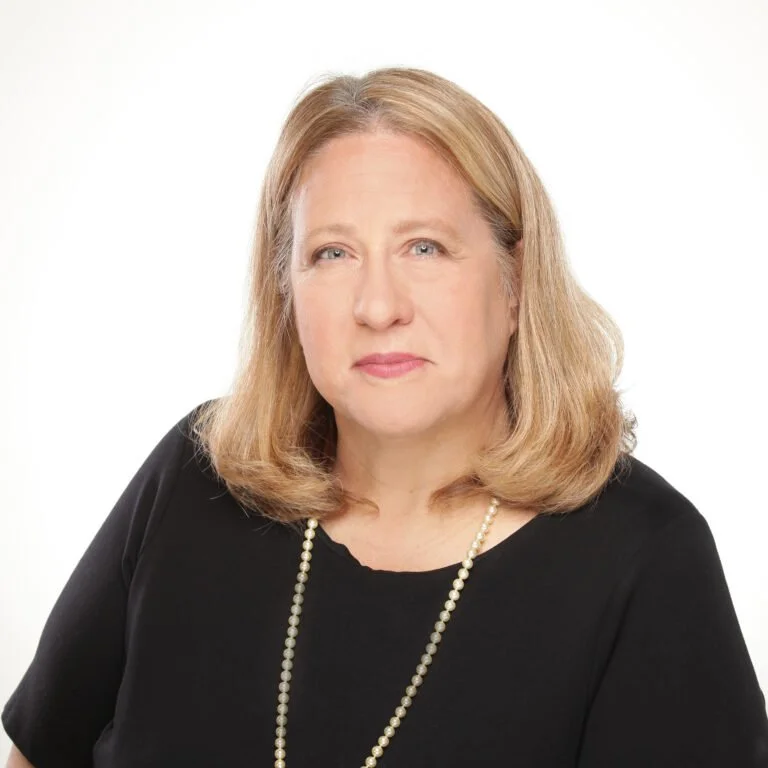
Dr. Virna Little is a distinguished leader in behavioral health integration. She is the co-founder of Concert Health, a behavioral health medical group providing Collaborative Care to organizations across 21 states. She is also the co-founder and CEO of Zero Overdose, a national nonprofit dedicated to overdose safety planning to reduce unintentional overdose events and deaths.
Dr. Little holds a doctorate in psychology and a master's in social work. She has served as a member of the national Zero Suicide faculty and as a consultant who has fostered the development of integrated delivery systems in all 50 states and internationally. A nationally and internationally recognized speaker, she has presented on suicide prevention strategies at the White House and received numerous awards for her work integrating primary care and behavioral health.
SHOW NOTES
Zero Overdose -- national nonprofit for overdose safety planning
Concert Health -- Collaborative Care behavioral health medical group
SAMHSA Narcan/Naloxone resources