Reflections from St. Louis on where suicide prevention may be headed next – Muscular Hope, Recovery & Solidarity
What I Felt Shift at AAS 2026
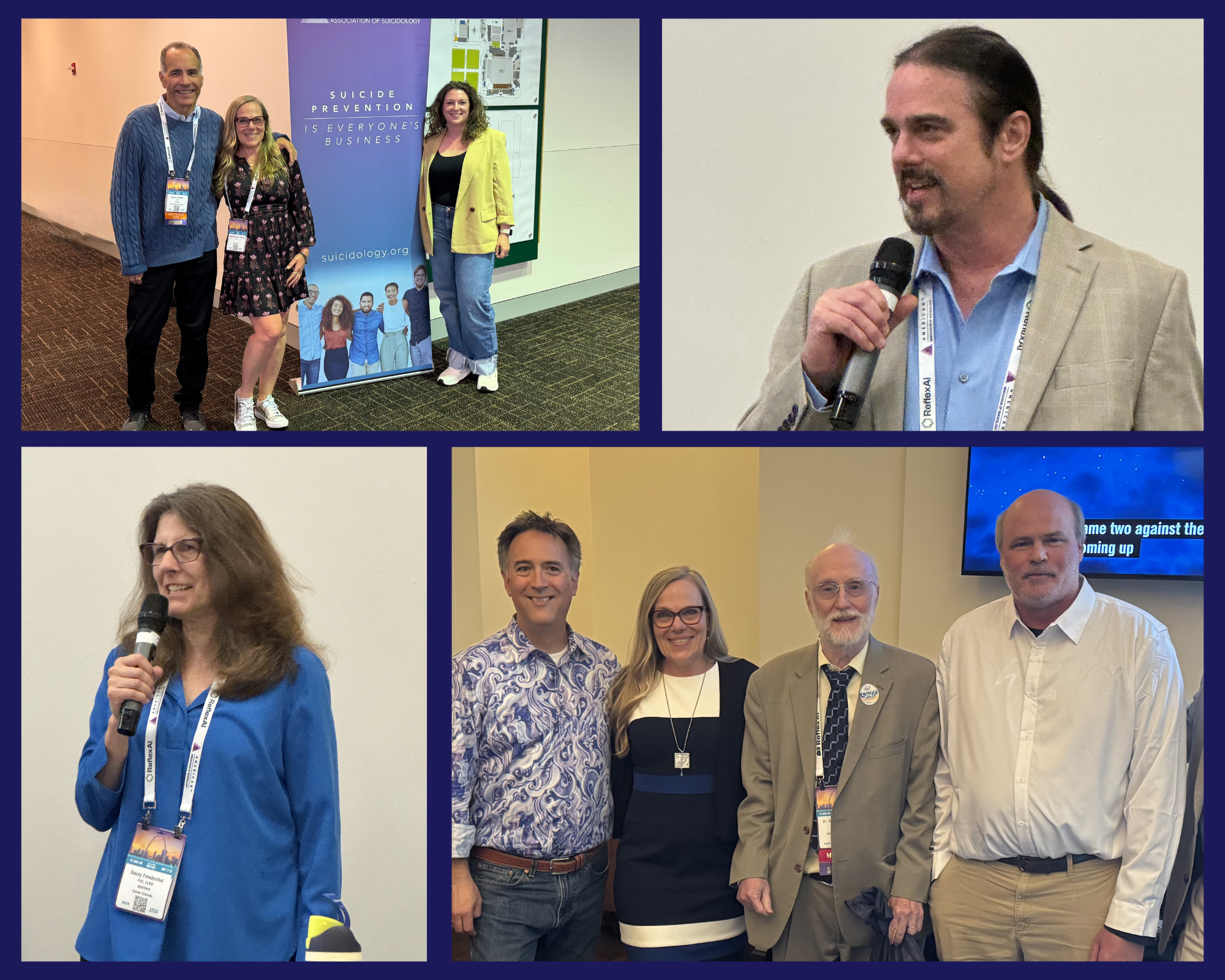
At the American Association of Suicidology’s 2026 Annual Conference in St. Louis, I felt something I have not always felt in our field.
Not fluffy hope.
Not performative hope.
Not “everything happens for a reason” hope -- please, no.
I felt something more like muscular hope: the kind of hope that looks directly at grief, trauma, injustice, moral injury, exhaustion, and suicide loss — and still chooses to move toward life.
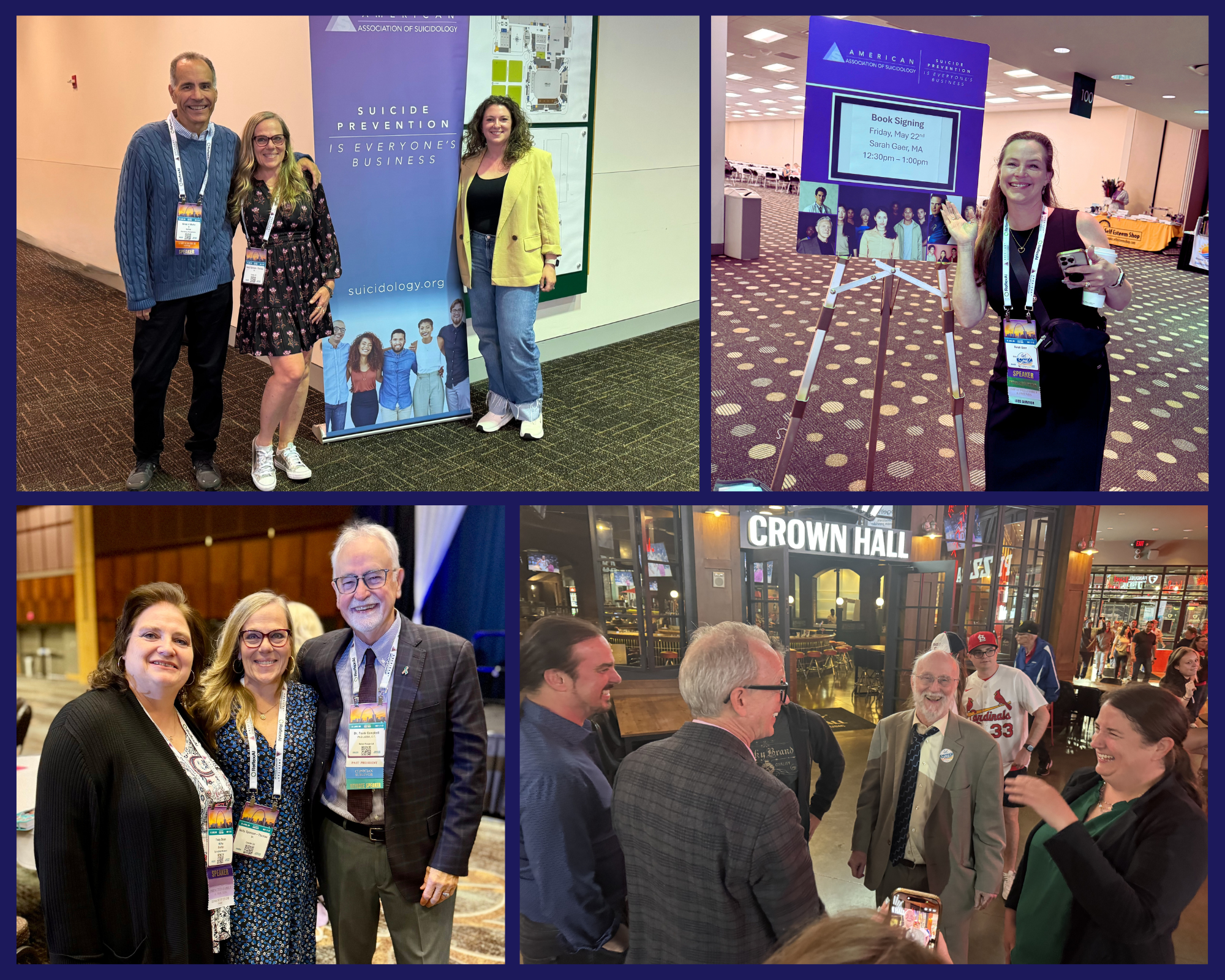
The AAS26 theme was Moving Forward Together: Advancing Suicide Prevention Through Science & Lived Experience, and this year, that did not feel like a tagline. It felt like a shift in the room. AAS brought together researchers, clinicians, advocates, crisis responders, people with lived and living experience, military leaders, students, and loss survivors in a way that made the field feel more alive, more porous, and more ready to evolve.
There were so many new faces. Early career professionals were not just watching from the edges; they were asking sharp questions and bringing fresh energy. People with lived and living experience were not being treated as sentimental sidebars; they were contributing essential wisdom. I was especially moved by the number of people connected to military and veteran communities who were there with enthusiasm and practical innovation. They were not only asking, “How do we reduce deaths?” They were asking, “How do we help people come home to themselves?”
That difference matters.
For a long time, much of suicide prevention has been organized around risk: risk factors, warning signs, so-called predictive risk assessments, and safety plans. These tools have value. I do not want to toss them into the Mississippi and call it progress. But if risk detection becomes the whole meal, we are still starving people of connection, meaning, agency, belonging, and reasons to stay.
What I sensed in St. Louis was a growing appetite for something more: a pathway to healing.
One of the clearest examples was Jennifer Lockman’s work with the THRIVE model. In plain language, THRIVE is a recovery-oriented approach designed to help people move beyond the immediate crisis and reconnect with hope, relationships, values, and meaningful living. One version, THRIVE-C, is a brief, recovery-focused therapy developed for crisis stabilization centers. It helps people build connection with the helper, tell the story of the suicidal crisis, place that crisis inside the larger story of their life, and create a “Meaningful Living Plan” for what comes next (Lockman et al., 2025a). In another study protocol, THRIVE combines group intervention with peer recovery coaching after discharge — exactly the kind of bridge we need between acute care and real life (Lockman et al., 2025b).
That is the part that gives me chills: not just “Are you safe tonight?” but “What life are we helping you return to?”
I heard a similar healing-centered current in conversations about Sources of Strength. Their peer-led, school-based model has shown a 29% reduction in new youth suicide attempts in a randomized controlled trial (Wyman et al., 2025). But what captivated me most was how they are exploring the “flip side” of Thomas Joiner’s interpersonal-psychological theory of suicide.
If thwarted belongingness increases suicide risk, then what happens when we intentionally foster belongingness?
If perceived burdensomeness contributes to despair, then what happens when we cultivate perceived contribution?
If the capability for suicide can develop, then how do we build the capability for regulation and co-regulation?
That is more than wordsmithing. That is a philosophical and practical reorientation. It moves us from “What is wrong?” to “What can be strengthened?” From “Who is at risk?” to “Who needs to know they matter?” From “How do we stop death?” to “How do we build lives people want to stay for?”
This is where muscular hope comes in.
Muscular hope is not passive optimism. It is not a bumper sticker. It is a discipline. Krista Tippett and others have popularized the idea of hope as a muscle — something that strengthens through practice, imagination, moral courage, and action. This also echoes Snyder’s hope theory, which defines hope as the perceived capacity to generate pathways toward desired goals and motivate oneself to use those pathways (Snyder, 2002).
In suicide prevention, that means hope cannot simply be a feeling we wait for. Hope must be practiced. Built. Borrowed from others when we cannot carry it alone. It asks us to pair agency — “I can take a next step” — with pathways — “There may be more than one way through this.”
And hope, at its best, is communal. Sometimes we cannot lift the weight alone. Sometimes co-regulation is the hope muscle. Sometimes the pathway is another person sitting beside us saying, “I am not leaving.”
I also noticed renewed interest in values-based approaches, including Acceptance and Commitment Therapy. ACT asks a profoundly human question: even when pain is present, what matters enough to keep moving toward? Values are not goals to check off a list; they are directions for how we want to live, relate, love, work, contribute, and heal. The VA’s Whole Health values resource describes values as a compass for meaning, purpose, daily decisions, and well-being, and ACT places values clarification and committed action at the heart of change (U.S. Department of Veterans Affairs, n.d.). A 2025 systematic review abstract in European Psychiatry concluded that ACT shows promising results in reducing suicidal behaviors, while also noting the need for larger studies and longer follow-up (Jurado Arevalo et al., 2025).
Again, I heard the same refrain: life is not only preserved by reducing danger. Life is reclaimed by reconnecting with what matters.
Even on the last day, I attended a breakout session on healing after suicide that included poetic medicine and beautiful moments of remembrance in grief. I drafted two new poems about my own grief journey that may come forward someday, when they are ready. That session reminded me that our field must make room for data and ritual, measurement and memory, intervention and beauty.
Because suicide prevention is not only science. It is also soul work. (thank you Sarah Gaer)
And the workplace? The response to my keynote was one more sign that this part of the movement is gaining momentum. I felt the energy in the room: old friends and mentors offering hugs, new colleagues eager to learn more, and a growing recognition that workplace suicide prevention is one of the largest missing puzzle pieces in our public health strategy.
Work shapes identity. Work shapes belonging. Work can become a source of purpose, dignity, friendship, and contribution — or a driver of humiliation, exhaustion, isolation, and despair. If we are serious about upstream suicide prevention, we cannot keep treating the workplace as a side conversation.
We need managers who know how to respond.
We need cultures where people can ask for help before the breaking point.
We need postvention plans that prevent silence from becoming another injury.
We need workplaces that help people remember they are more than their productivity.
So yes, I left AAS hopeful.
But I also left concerned.
I closed my keynote with a call to action that has lived in my bones for years: we need solidarity.
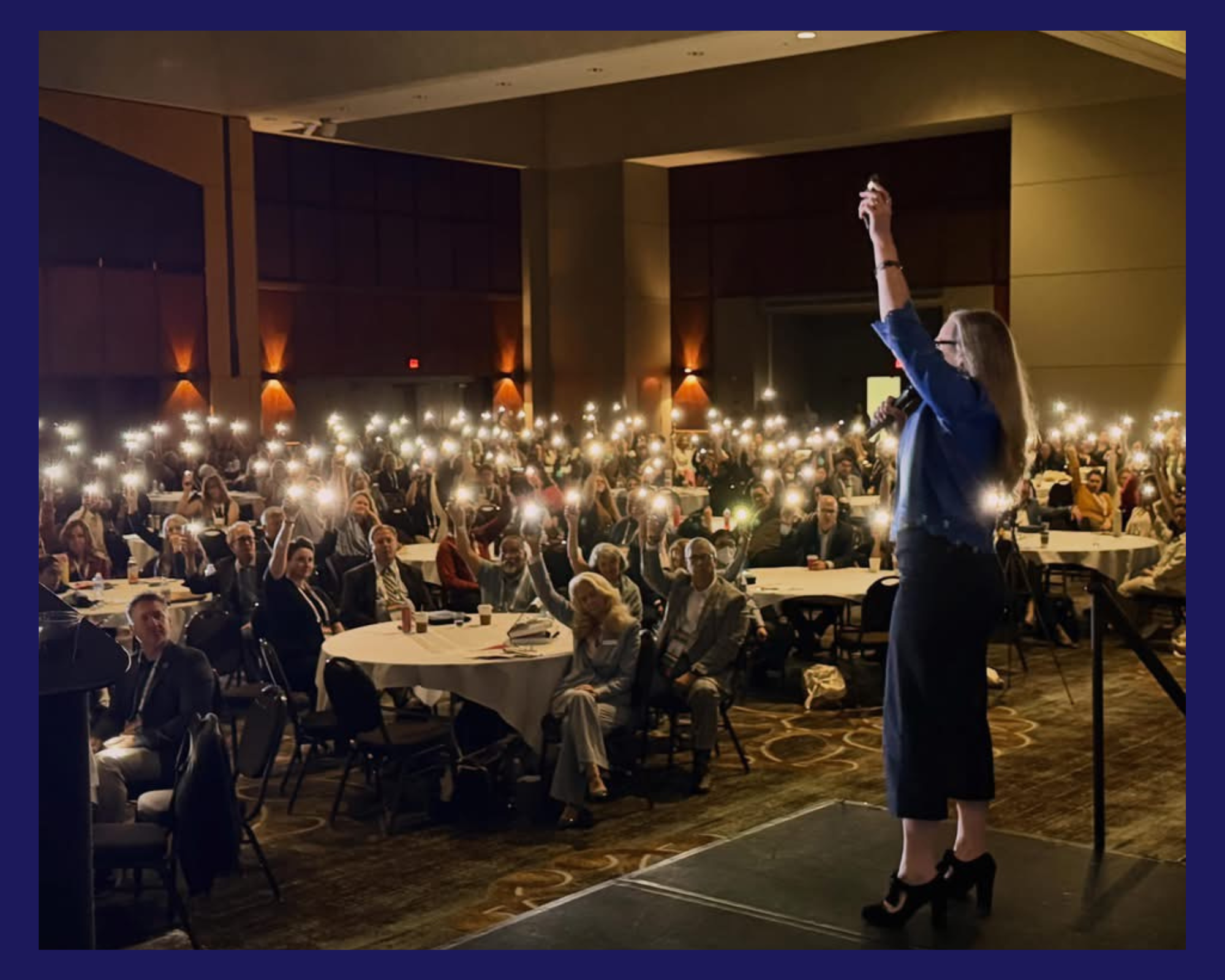
The divisions in our community are helping no one. Researchers, clinicians, prevention specialists, crisis responders, policy leaders, loss survivors, attempt survivors, people living with suicidal intensity, caregivers, peers, and advocates — we do not always see the world the same way. We do not always agree on language, priorities, methods, or what change should look like first.
But if we keep splintering, we will spend our energy surviving one another instead of transforming the systems that continue to fail people.
I have been obsessed with this idea since writing a three-part series in 2020:
Part 2: “Standing in Solidarity for Suicide Prevention — Healing from Communal Wounding”
Part 3: “Standing in Solidarity for Suicide Prevention — Acting in Solidarity as a Way Forward”
(Spencer-Thomas, 2020a, 2020b, 2020c).
I still believe what I believed then: solidarity does not mean sameness. It means choosing interdependence. It means learning across difference. It means staying in the room long enough to be changed by one another.
Researchers — we need you. Come back, and bring your students.
Clinicians — let yourself be inspired by new approaches to recovery.
People with all forms of lived and living experience — join us and help us get it right.
Military and veteran leaders — keep bringing your hard-earned wisdom about belonging, identity, and coming home.
Workplace leaders — your seat at this table is long overdue.
We may not always agree on how we see things or what should come first.
But together, we are better.
Listen deeply.
Learn from one another.
Build the bridge anyway.
I left St. Louis with wet shoes, a full heart, several new ideas, and a renewed belief that our field is moving from death prevention toward life reclamation.
That is a shift worth protecting.
See you all in Dallas, April 11–15, 2027
Sally