

Overview
When a suicide, overdose, or traumatic death happens in the workplace, the response in the first 48 hours can either stabilize the organization or unintentionally increase harm.
Yet most workplaces have no clear postvention plan.
In this Headspace for the Workplace conversation, Dr. John Gaal brings together lived experience, labor leadership, and research to explain why postvention is the missing leg of the three-legged stool of workplace mental health: prevention, intervention, and postvention.
Drawing from decades of workforce development, construction industry data, and peer-reviewed research, this episode explores:
What actually helps people in shock
Why EAPs are often underutilized in crisis
How trained peer supporters serve as “mental health first responders.”
Why partnerships — not silos — save lives
We talk about what leaders must do when the unthinkable happens.
What is workplace suicide postvention?
DEFINITION: Postvention refers to the organized response after a suicide or traumatic death to support those affected, reduce distress, prevent additional harm, and restore stability.
What should employers do in the first 48 hours after a suicide?
Immediate priorities include stabilization, clear communication, psychological first aid, and activating trusted partners beyond the EAP.
Why are EAPs not enough after a workplace suicide or overdose?
Research shows EAPs are significantly underutilized in construction and labor settings due to stigma, confidentiality concerns, and lack of trust.
How does peer support help after a workplace death?
Peer supporters act as first responders for mental health, offering credibility, trust, and lived experience while helping workers connect to professional care.
Why is postvention considered suicide prevention?
Effective postvention reduces suicide contagion, supports grief and trauma recovery, and protects vulnerable coworkers — making it a direct prevention strategy.
Key Themes
1. The First 48 Hours Matter
Dr. Gaal’s emerging work on construction suicide postvention emphasizes:
Shock and disorganization are normal
Silence and avoidance increase risk
Early stabilization prevents long-term harm
2. Peer Support as Human Infrastructure
Peer support models:
Meet workers where they are
Reduce stigma
Increase early help-seeking
Deliver up to $4 ROI for every $1 invested
3. Construction Is a High-Risk Industry
Data consistently shows:
Construction ranks #1 for overdose deaths
#2 for suicide deaths
Deaths from suicide and overdose far exceed jobsite fatalities
4. Postvention Requires Partners
Effective response includes:
Leadership
Peer supporters
Mental health professionals
Union and management collaboration
Community partners (not just internal programs)
About Dr. John Gaal
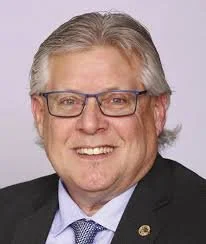
Dr. John S. Gaal is a nationally recognized leader in worker wellness, suicide prevention, and peer support in the construction industry.
He currently serves as Director of the Missouri Works Initiative Worker Wellness Program and has more than 40 years of experience in labor, workforce development, and higher education. Dr. Gaal is a former union apprentice, certified peer supporter, Labor Assistance Professional (LAP-C), and adjunct professor with doctoral training in organizational leadership.
His work bridges research, lived experience, and implementation, including peer-reviewed publications on peer support models in construction and leadership roles across national and international worker wellness initiatives.
References & Research
Source: Construction Forum STL Building Trades Wellness Coalition https://share.google/ylOP9kAKeMTw5EUEN
Professional: www.moworksinitiative.org
Personal: www.2114CAF.org
Related Resources
Peer Support in Construction:
https://constructforstl.org/gaal-studies-peer-support-mental-health/
LEAN-STL
KCA-
https://www.youtube.com/watch?v=jPoCZZdTmeg
DODGE-
LABOR TRIBUNE-