

In this episode of Headspace for the Workplace, I sit down with Aaron Witt, founder of BuildWitt, a people-first training and development company on a mission to build the construction industry's next generation of leaders. The conversation centers on one of the most persistent tensions in business, especially in high-pressure industries like construction: how do you drive growth, performance, and profit without burning out the very people who make it possible?
Aaron brings a grounded, practical perspective shaped by years of working alongside hundreds of world-class leaders across the United States and around the world. His observation is consistent - leaders who take care of themselves first are consistently better equipped to take care of those around them. And teams that build genuine relationships before the chaos hits are far better positioned to weather it together.
The episode also digs into the construction industry's complex relationship with grit, a cultural value that fuels extraordinary work but can quietly become self-destructive when it's the only tool in the toolbox. Aaron and I challenge listeners to expand their definition of what it means to be a strong leader, arguing that sustainable performance requires identity, connection, and intentional investment in people, not just grinding through.
Why This Matters in the Workplace
The Cost of the Chase
Many industries, especially construction, are built on a culture of urgency, performance, and growth. That drive produces results. But it also creates a predictable pattern. Leaders and teams squeeze harder, do more with less, and defer personal wellbeing and relationship-building until things slow down. Things rarely slow down. The result is leaders running on empty, teams that feel like strangers in a foxhole, and organizations that are one bad quarter, or one bad storm, away from a crisis they're not equipped to handle.
The Research Backs It Up
• Leaders who neglect their own wellbeing have a fraction of the capacity to support others and it shows up first in how they handle unexpected disruption
• Identity over-investment in work ("if work goes away, who am I?") is a significant driver of mental health deterioration, especially in high-identity industries like construction
• Teams that lack genuine relationships before a crisis face compounded problems during it. Distrust, misaligned priorities, and fragmented communication pile on top of the original problem
• Grit is a protective factor - until it isn't. When leaders apply a sledgehammer to every problem, they exhaust themselves and miss solutions that require a different approach entirely
• Relationship investment doesn't require hours. Even five minutes of genuine human connection at the start of a meeting changes the team dynamic, builds trust, and improves performance over time
In this episode, we’ll answer:
How do leaders balance profit and people without burning out their teams?
Why is self-care a leadership strategy, not just a wellness trend?
How do you build team relationships in a fast-paced work environment?
What happens to leaders who wrap their identity entirely in their work?
Why don't construction companies invest in mental health and relationships at work?
Two Tactical Takeaways from the Episode
Tactical Takeaway #1: Care for Yourself First. It's a Leadership Strategy, Not Selfishness
Aaron's first takeaway is direct: by caring for yourself first, you are better able to handle the chaos around you. This isn't soft advice, it's operational. Leaders who are physically and mentally regulated make better decisions, react less, and create more stability for their teams. Aaron describes his daily morning workout as "wringing out the rag" and releasing whatever internal tension exists so it doesn't leak into his leadership throughout the day.
WHY IT WORKS
Doing hard things intentionally, whether it's exercise, cold weather walks, or early morning discipline, builds what Aaron calls "capacity." When unplanned hard things arrive (a missed deadline, a weather delay, a team conflict), leaders with that capacity can step back, detach, and respond rather than react. Without it, the situation dictates to you instead of the other way around. Dr. Sally reinforces this with her own practice: workout, walk the dog, lift weights, meditate, journal - all before the workday begins - because front-loading wellbeing anchors everything else.
Tactical Takeaway #2: Build Relationships Before the Chaos, Not During It
Aaron's second takeaway is about timing. Relationship-building is not something you can fast-track during a crisis. Trust is a slow drip. It accumulates over time through small, consistent, genuine acts of curiosity and care — asking about someone's weekend, remembering they went to New Jersey, following up after the vacation. By the time the storm hits, those relationships either exist or they don't.
WHY IT WORKS
When teams have genuine relationships, they navigate chaos as a unit rather than as a collection of individuals under pressure. There's less internal friction, less misaligned effort, and more willingness to be vulnerable about what's actually wrong. Aaron's practical application: start every meeting, even a quick one-on-one, with one personal question. Not a checklist item. One real question about their life outside of work. A five-minute ritual that clears the air, acknowledges the human, and sets the stage for everything that follows.
about aaron witt
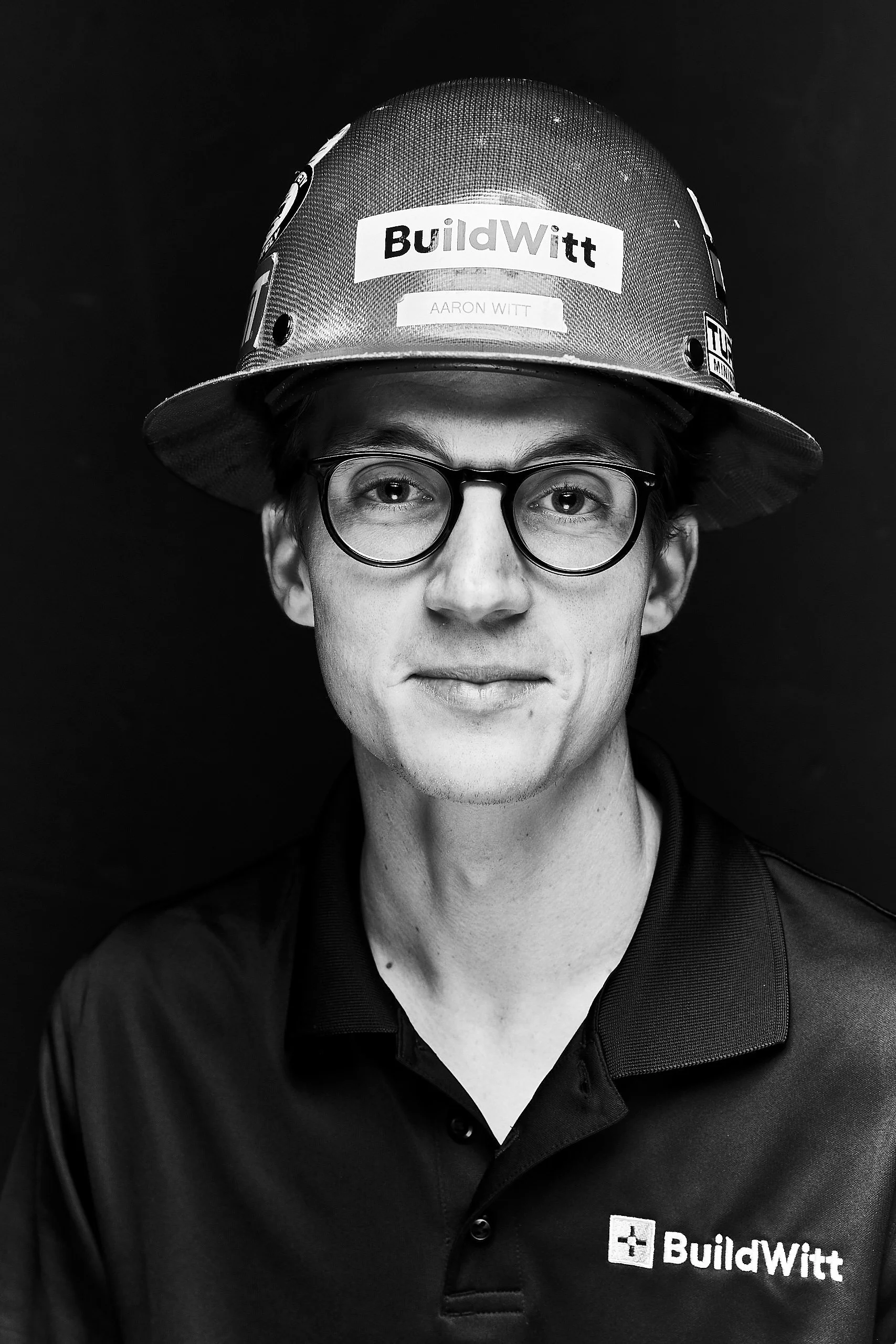
Growing up in Scottsdale, the Dirt World (critical infrastructure and natural resources) was NOT on Aaron Witt’s career radar... That is, until a construction project appeared in his neighborhood. He asked for a job and was off to the races.
After graduating from engineering school, he planned to become a contractor. But everything changed when he began sharing his brief industry experience on social media under the “BuildWitt” name.
Today, BuildWitt is a software company helping hundreds of Dirt World companies grow their workforce daily via nearly 2,000 micro-learning videos. BuildWitt also holds the annual Ariat Dirt World Summit to build the next generation of leadership, with over one thousand industry executives learning from former Navy SEALs, fighter pilots, billionaires, and the best in the Dirt World.
Beyond the business, Aaron has a unique perspective from traveling across America and worldwide to visit top operations and share what it takes to keep the world moving, generating one billion views annually.