

In this episode of Headspace for the Workplace, I sit down with Nick Freud, founder of Fellow Humans - a platform built on a simple but radical idea: the most powerful support a person can receive during a difficult transition isn't clinical expertise. It's lived experience wisdom from someone who has already walked the same path.
Nick's journey into this work began when he hit clinical depression while running a successful education business and discovered firsthand how hard it is to reach out for help, even for someone who considers themselves open and authentic. What emerged from that experience was a recognition that most of us are navigating our hardest moments in unnecessary isolation, surrounded by colleagues and communities full of people who have already been through exactly what we're facing and are waiting to be asked.
The conversation moves between the personal and the practical: why corporate culture systematically mutes the humanity in our working relationships, what it actually means to make someone feel seen (and why it's different from sympathy), and how leaders who model vulnerability create permission structures that ripple through entire organizations. Dr. Sally and Nick address the three objections leaders most commonly raise - "this isn't a therapy setting," "we'll be held liable," and "people will use it against me" - and offer concrete, low-barrier ways to introduce more human connection into even the most performance-driven workplace cultures.
Why This Matters in the Workplace
The Gap Between Crisis and Connection
Most workplaces have support systems for people in crisis such as EAPs, benefits, mental health days. But there is a vast, largely unaddressed space between "doing fine" and "falling apart" where people are quietly struggling through breakups, demotions, identity shifts, grief, burnout, and transitions of every kind. In that in-between space, most organizations offer nothing. Nick Freud's core argument is that this is where the most impactful, most accessible, and least costly support can be delivered — through human connection and lived experience, not clinical intervention.
The Numbers Make the Case
• An estimated $1 trillion in lost productivity was attributed to mental health issues globally in 2024–2025
• 90–100% of workers in Dr. Sally's anonymous polling report having a significant personal experience with mental health, suicide, overdose, or addiction, yet most don't know this about their colleagues
• Research shows that when your feet are in ice water, you will tolerate the pain twice as long if even one other person is in the room with you. Pain shared is pain made more bearable
• Workers who feel seen and supported through difficult transitions are more engaged, more productive, and more likely to stay
• Mental health stigma at work is driven primarily by fear of judgment, not by the absence of need or willingness to connect
The Three Objections — and Why They Don't Hold
Dr. Sally names the three pushbacks leaders most commonly raise, and Nick addresses each directly:
"This isn't a therapy setting."
Even if your only goal is operational efficiency, supporting people through transitions is the most economically prudent choice. $1 trillion in lost productivity says the "leave it at the door" approach is already failing.
"We'll be held liable."
The vast majority of transitions people want to share at work are not clinical or legally charged - they are human. Creating space for connection around life's ordinary hard moments reduces the risk of escalation to clinical crisis, not the other way around.
"People will use it against me."
In the short term, vulnerability feels like risk. In the long term, inauthenticity erodes trust, and playing an avatar eventually leads to combustion. The leaders who are afraid to show any cracks, particularly those who have had to work twice as hard to earn their seat, will ultimately be respected more, not less, for their humanity.
In this episode, we’ll answer:
How do you support employees going through personal transitions at work?
What is lived experience wisdom and why does it matter at work?
How do leaders create psychological safety at work without making it feel like therapy?
What is the difference between sympathy and empathy in the workplace?
How much does mental health cost employers in lost productivity?
Two Tactical Takeaways from This Episode
Tactical Takeaway #1: Never Navigate a Transition Alone — Leverage Lived Experience Wisdom
Nick's first takeaway is both a personal invitation and an organizational imperative: whatever transition you or your people are going through, someone in your circle has already been through it. The only thing standing between you and their wisdom is the ask. Vulnerability is the nudge that unlocks connection, and once one person opens up, others follow.
WHY IT WORKS
The power of lived experience wisdom isn't just informational - it's relational. When someone who has walked the same path sits with you, the fear of judgment evaporates. You don't feel broken; you feel understood. Nick describes this as the difference between sympathy ("I'm sorry, you seem a little broken") and empathy ("I know it sucks and you're going to get through it"). The catharsis comes from the absence of judgment, and that is something no clinical credential can fully replicate. Dr. Sally reinforces this with her own research: 90–100% of audiences she works with have a significant mental health story, and they don't know this about each other. The connection is already there, it just needs a door.
Tactical Takeaway #2: Make Someone Feel Seen — It's the Greatest Gift You Can Give
Nick's second takeaway is deceptively simple and profound in its implications: the greatest thing you can do for another person, at work or anywhere, is make them feel seen in their experience. Not fixed. Not advised. Seen. And the leader's role is to create the permission structure and context that makes that possible.
WHY IT WORKS
Permission doesn't come from a policy, a memo, or a mandatory wellbeing program. It comes from the top - from leaders who model openness themselves. When a leader humanizes themselves, it creates downstream permission for everyone else to do the same. Nick's practical guidance: don't leave five minutes at the end of your all-hands meeting for people to "air grievances." Create a real structure - a prioritized, intentional space for people to come together as humans, not just as role-players. Dr. Sally's own practice: joys and sorrows, kudos and sorries - a brief, structured ritual at the start of team meetings that acknowledges the whole person and sets a tone of psychological safety for everything that follows.
about nick freud
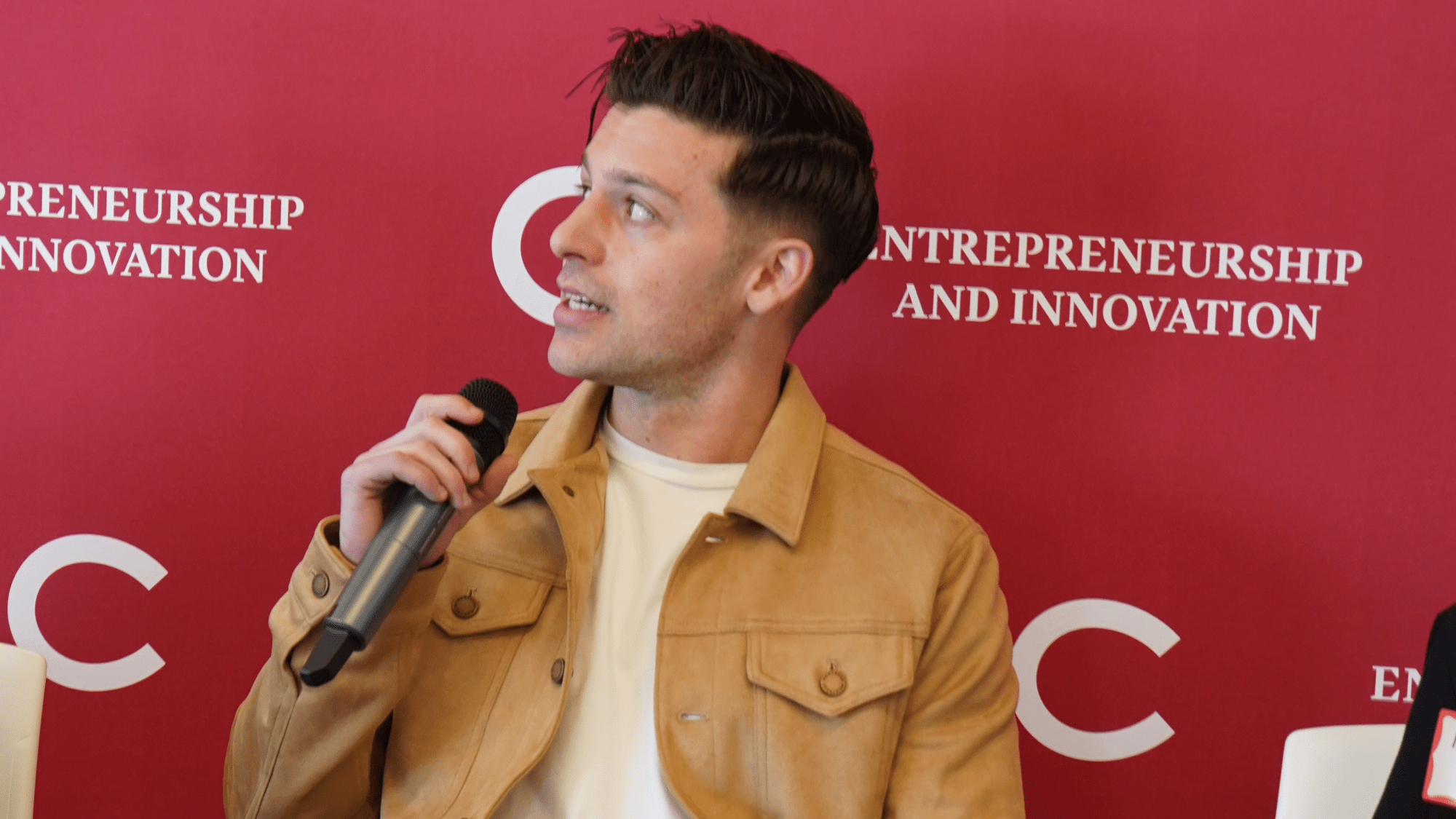
Nick Freud is the Co-Founder and COO of Fellow Humans, a category-defining Co-Learning platform designed to help people navigating a life transition - breakup, job loss, new diagnosis, first time parent - to learn from and connect with real humans who have already been there. Prior to founding Fellow Humans, Nick spent 8 years as the Co-founder of CampusReel, an Education Technology company focused on creating student-first Virtual Campus Tours for high schools, colleges and grad schools throughout the world. For his work with CampusReel, Nick was named for the Forbes 30 Under 30 List in Education, and has been featured in The New York Times, Forbes, TechCrunch, and on Good Morning America. After experiencing a clinical depression at the end of 2024, Nick made the decision to step away from education and dedicate himself to enabling real human connection globally through Fellow Humans.